Bespoke Furniture: Individual Pieces and Room Solutions for Every Space
Bespoke furniture describes finished pieces that are made for one particular place and reach their full effect precisely there. Casa Padrino, the world market leader for luxury and baroque furniture, treats this not as a mere promise but as a tangible result: a floor-to-ceiling cabinet that finishes flush with the ceiling, a wall unit that runs from wall to wall, or a bench that sits exactly inside an alcove. Where many descriptions dwell on the path towards a finished piece, the focus here rests deliberately on the result itself. The attention belongs to the custom furniture that ultimately stands in the room and to the room solutions that become possible with it.
The real appeal of made-to-measure furniture only becomes clear once you look at the finished types of piece. A built-in wardrobe uses every corner, a bespoke lowboard seems to disappear into the wall, and an upholstered bench follows the exact length of a hallway. What these individual pieces share is that they do not merely stand next to a room; they form a single unit with it. That is precisely what separates a custom piece from a randomly placed catalogue item, which always looks a little accidental because it was never built for a specific place.
Very different people are drawn to this idea. Discerning private clients want to furnish rooms completely and lastingly, and they look for pieces that fit exactly. Interior designers need finished solutions that translate their concepts into real built-in furniture and room furniture. Contract clients from hotels and hospitality want pieces that fill an existing architecture and stay consistent over many years. However varied these requirements are, the goal is remarkably similar: finished, individual furniture that looks as though it had always belonged to the room.
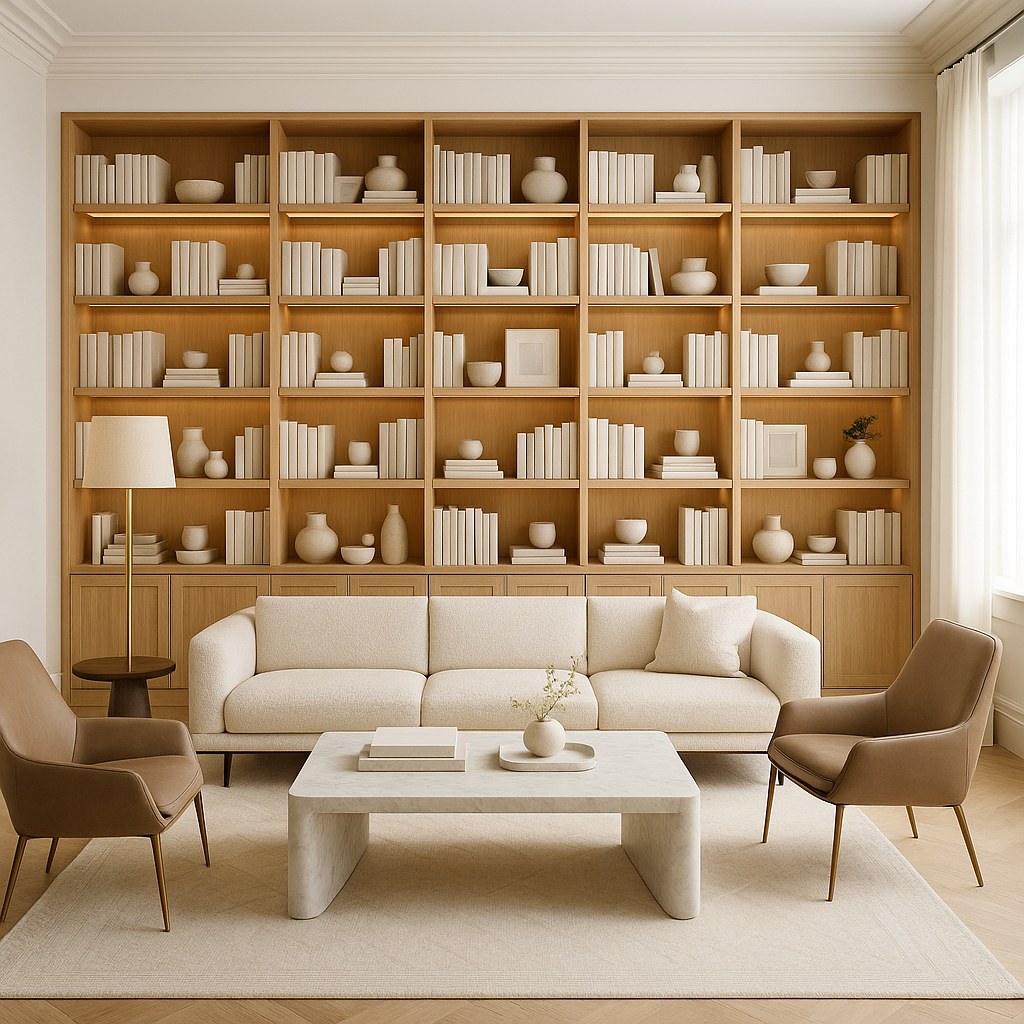
What defines bespoke furniture
Bespoke furniture is marked above all by the way it fills a room completely, without gaps, without disruptive joints and without unused pockets of space. A floor-to-ceiling cabinet that reaches right up to the ceiling feels calmer and more generous than a free-standing model above which dusty emptiness collects. A wall unit fitted exactly between two walls merges with the architecture and lets the room appear larger. This sense of self-evidence is the true hallmark of individual furniture, and it is difficult to achieve with standard products.
A second characteristic is coherence in the detail. With a custom piece, it is not only the outer dimensions that determine the effect, but also the internal layout, the arrangement of shelves and pull-outs, the position of the handles and the way the grain runs across several fronts. Made-to-measure furniture can be designed so that doors and drawers follow a clear line and the wood pattern reads as one continuous whole. Such refinements are rarely noticed at first glance, yet they are exactly what makes a room feel ordered and of high quality.
A third quality is creative independence. Because every piece is made for a particular place and a particular person, there is no second one that looks exactly the same. Wood species, surface, colour, fittings and proportion can be combined freely, so that a genuinely individual piece emerges. This uniqueness is not an end in itself. It ensures that the finished pieces belong to one another and to the room, rather than looking like a chance collection of separate purchases. A home or a contract project gains a calm, self-contained presence as a result.
Types of piece and room solutions at a glance
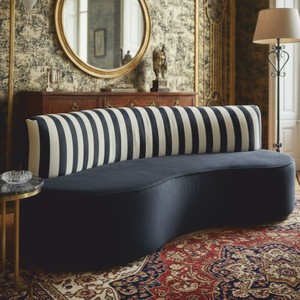
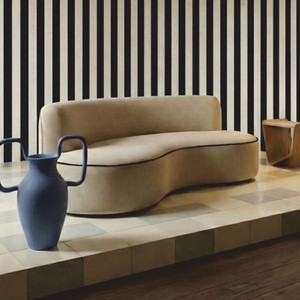
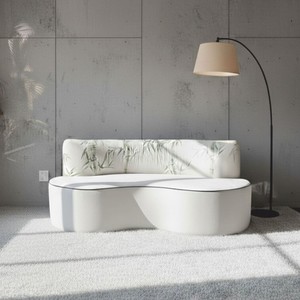
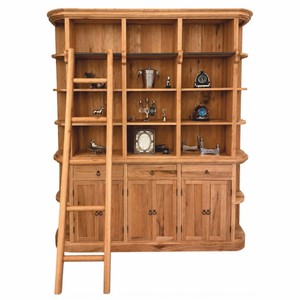
The range of bespoke furniture reaches from single pieces to complete room solutions. In the living room, floor-to-ceiling bookshelves, wall units and media furniture are among the most sought-after types. A custom bookshelf that occupies an entire wall and finishes flush with the ceiling creates order and becomes the calm backbone of the room. In addition, sofas in a matched size fit in, their seat depth and covering tuned to the rest of the interior. The result is a living area conceived as a whole rather than assembled from separate, independently chosen pieces.
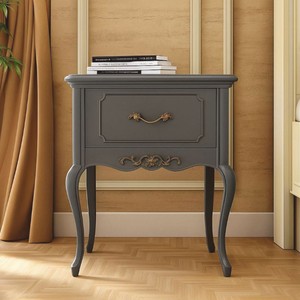
In the sleeping and dressing area, floor-to-ceiling wardrobes and walk-in closets take centre stage. A built-in wardrobe made to measure uses the full room height, follows sloping ceilings and corners, and offers exactly the internal division of rails, shelves and pull-outs that suits everyday life. Classic cabinets in special dimensions complement the arrangement, as do bespoke beds with an individual headboard. Matching beds and coordinated commodes round off the bedroom, so that colour, wood tone and proportion stay related to one another throughout.
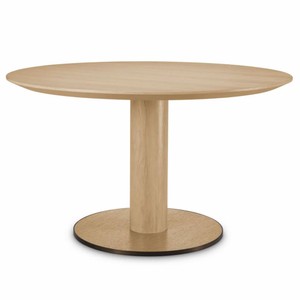
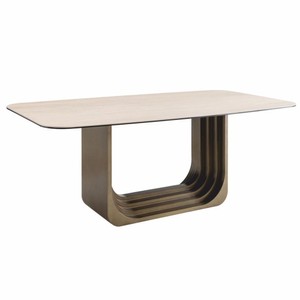
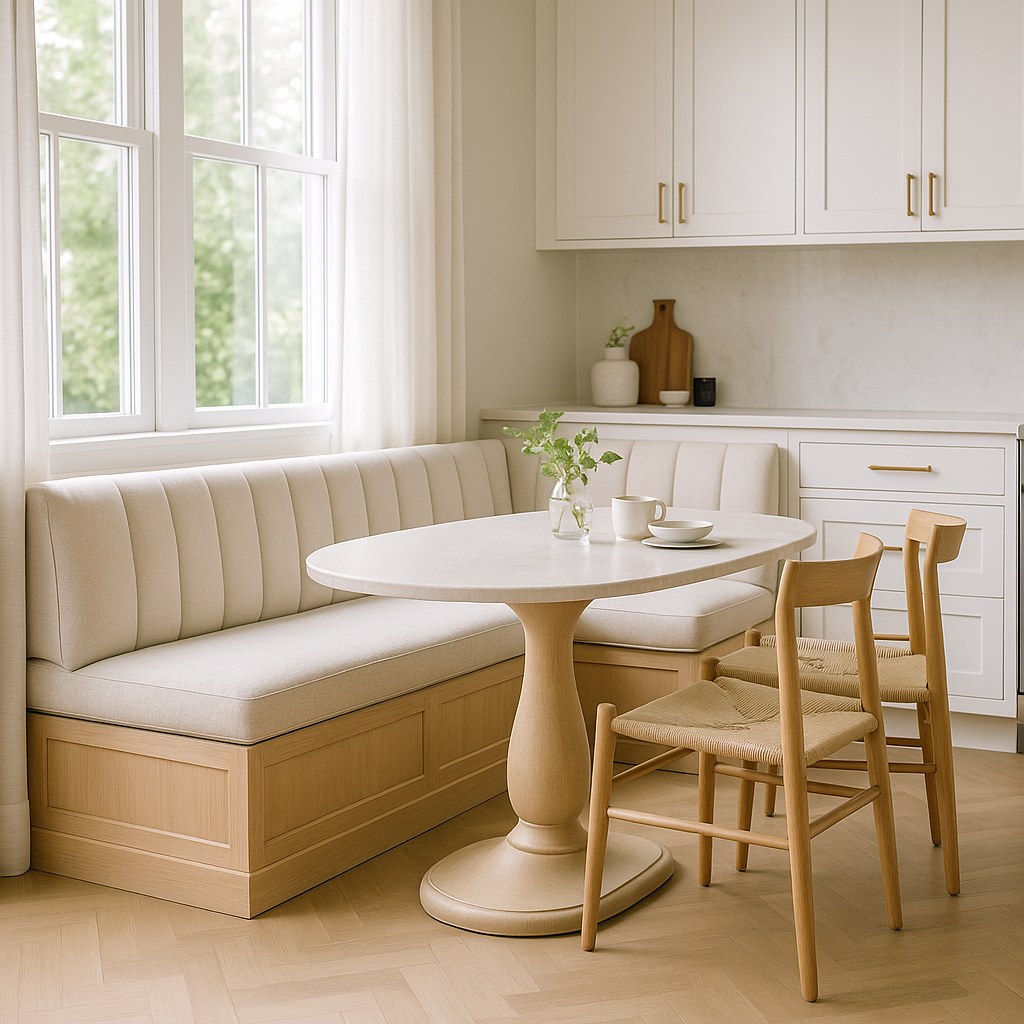
In the dining and living area, large-format tables, seating and sideboards are added. A made-to-measure dining table follows the shape of the room and the number of people, accompanied by chairs at a matched height and individual armchairs as deliberate accents. Benches and corner benches offer seating and storage at once and can be fitted exactly into alcoves or bay windows. So that the different types of piece and room solutions remain easy to grasp, the following overview lists the most important finished items that are produced as bespoke work:
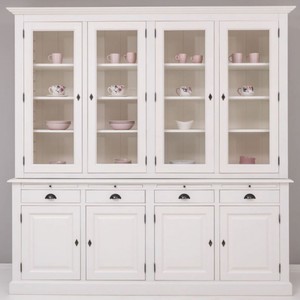
- Storage: floor-to-ceiling cabinets, built-in wardrobes, bookshelves, wall units, display cabinets
- Living: media furniture, TV lowboards, sideboards, shelving walls, coffee tables
- Seating: sofas, armchairs, upholstered benches, corner benches, seating corners, padded stools
- Dining: dining tables, chairs, buffets, cabinets and serving units made to measure
- Sleeping: beds with headboards, wardrobes, dressing rooms, commodes, bedside tables
- Entrance: coat furniture, consoles, benches, mirrors, shoe cabinets for alcoves
- Contract: reception desks, bar counters, wall installations, lounge benches, welcome furniture
This list shows that almost every area of a home or a contract project can be furnished with individual pieces. The advantage lies in the fact that the single items are not created in isolation, but as parts of a considered room solution. Anyone who has the living room, bedroom and hallway furnished from a single source receives types of piece whose surfaces and colour worlds are consistently coordinated, so that a unified overall picture emerges.
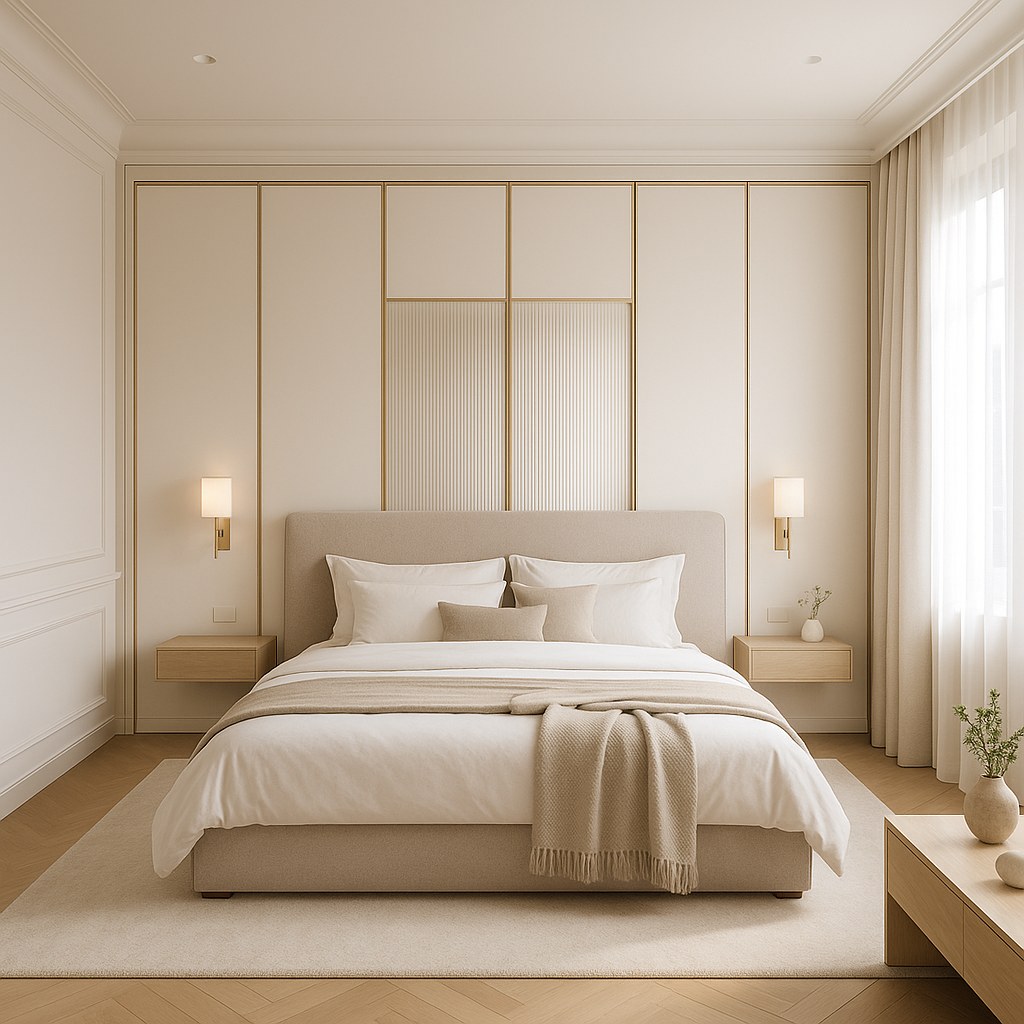
Materials and surfaces of the finished pieces
The character of a bespoke piece emerges largely from material and surface. For the load-bearing carcasses and visible fronts we work with solid woods such as mahogany, oak, walnut, beech and teak, as well as with high-quality veneers on stable board substrates when large surfaces are to remain calm and free of warping. A floor-to-ceiling cabinet, for instance, benefits from a continuous veneer selection in which the grain carries on across several doors. In this way a large front does not read as a row of separate panels, but as a coherent surface with a lively wood pattern.
The surface determines both appearance and everyday practicality in equal measure. Oiled surfaces emphasise the natural structure of the wood and can be refreshed in individual spots when needed. Lacquered fronts appear smoother and more closed and suit calm, modern pieces. Patinated and partly gilded surfaces, in turn, belong to the classic repertoire and give a piece depth and age. With seating and upholstered benches, the covering fabrics and leather define the impression. Velvet brings colour depth, chenille is more robust in daily use, aniline leather ages with character, and pigmented leather stays easier to care for.
Beyond wood and covering, further materials shape the finished impression. Marble and natural stone form refined top plates for lowboards and consoles, brass and bronze set accents as fittings, edges and trim, and polished glass structures display cabinets and shelving walls while letting light into deep carcasses. Each of these materials calls for its own experience in processing, so that the transitions are clean and the combination stays stable over time. With an individually made piece these materials can be used in a targeted way, so that an item emerges that suits the room and the surrounding interior in both feel and look.
Built-in furniture for alcoves and sloping ceilings
The value of bespoke furniture becomes especially clear where standard dimensions simply fail: in alcoves, under sloping ceilings, in bay windows and around projecting fireplaces or chimney breasts. Built-in furniture made to measure turns such seemingly awkward areas into valuable storage. A cabinet that follows a sloping ceiling also uses the low section beneath the slope, which a standard piece would leave unused. A bench in a window recess becomes a comfortable spot and offers room underneath for cushions, blankets or books.
So that built-in furniture finishes flush in the end, the precise measurement of the room situation matters. Walls are rarely at an exact right angle, floors do not always run level, and skirting boards, sockets, light switches or radiators need to be taken into account. A bespoke piece is planned around these conditions, so that it sits perfectly in the end and conceals nothing that should stay accessible. Especially with floor-to-ceiling built-in solutions, this precision decides whether a front runs calmly or whether disruptive gaps open up at the edges.
Built-in furniture can be used sensibly in almost any room. In the hallway a narrow alcove becomes a coat area with a bench and a large mirror, in the living room a symmetrical shelving wall forms around the fireplace, and in the dressing room the entire wall from floor to ceiling is put to use. These fixed types of piece feel restrained and self-evident because they belong to the architecture. At the same time they can be freely designed in style, colour and material choice, so that built-in furniture made to measure never appears technical, but always seems part of a considered interior.
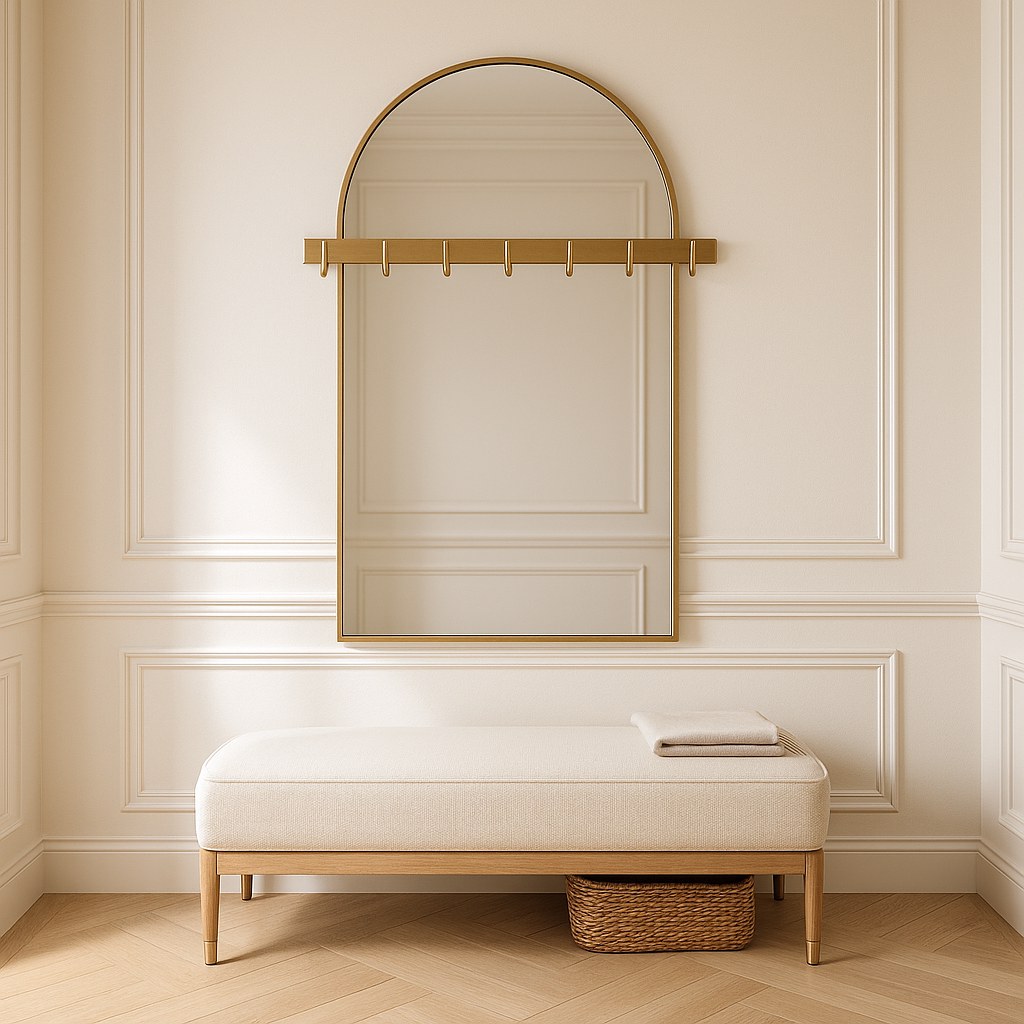
Styles from baroque to modern
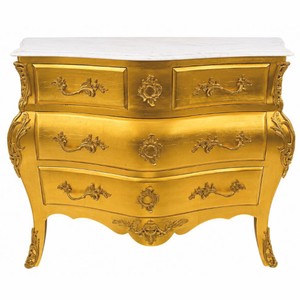
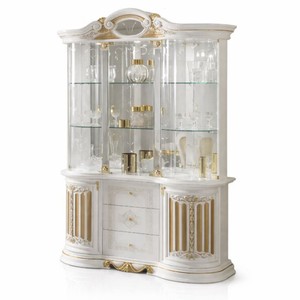
Bespoke furniture is not tied to any particular style, and that is exactly what makes it so versatile. Casa Padrino became known as a maker of baroque furniture, and in the classic field an individual piece unfolds its full effect. Ornate cabinets with curved fronts, elaborately worked headboards and richly decorated display cabinets can be adapted in their dimensions to historic rooms with high ceilings. A baroque built-in piece fits into a town house or a period apartment as though it were part of the original furnishing, and it combines a historic appearance with the exact fit of made-to-measure work.
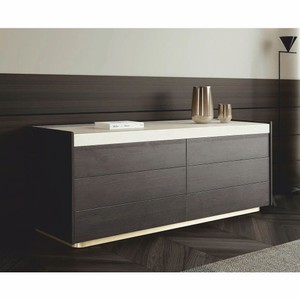
Just as sought after is bespoke furniture in the modern style. Reduced, handle-free fronts, large calm surfaces and materials such as marble, smoked glass and brushed metal only feel complete when they are fitted exactly into the room. A modern TV lowboard that reaches between two walls and appears to float, or a shelving wall that finishes flush with the ceiling, radiate a calm that free-standing furniture rarely achieves. Between these poles lie many further styles, from the English country look through Art Deco to Mediterranean designs with light woods and lighter forms.
Many interiors thrive on a deliberate mix. A modern new build with a classically worked bookshelf, a period apartment with clearly shaped upholstered furniture, or a hotel that combines baroque frames with restrained seating all feel assured when they follow a clear order. It has proven effective to set a basic line and to use the second style as a targeted accent. Because form, colour and proportion can be defined freely with individual furniture, this coordination succeeds especially precisely, and the finished pieces come together into a coherent whole.
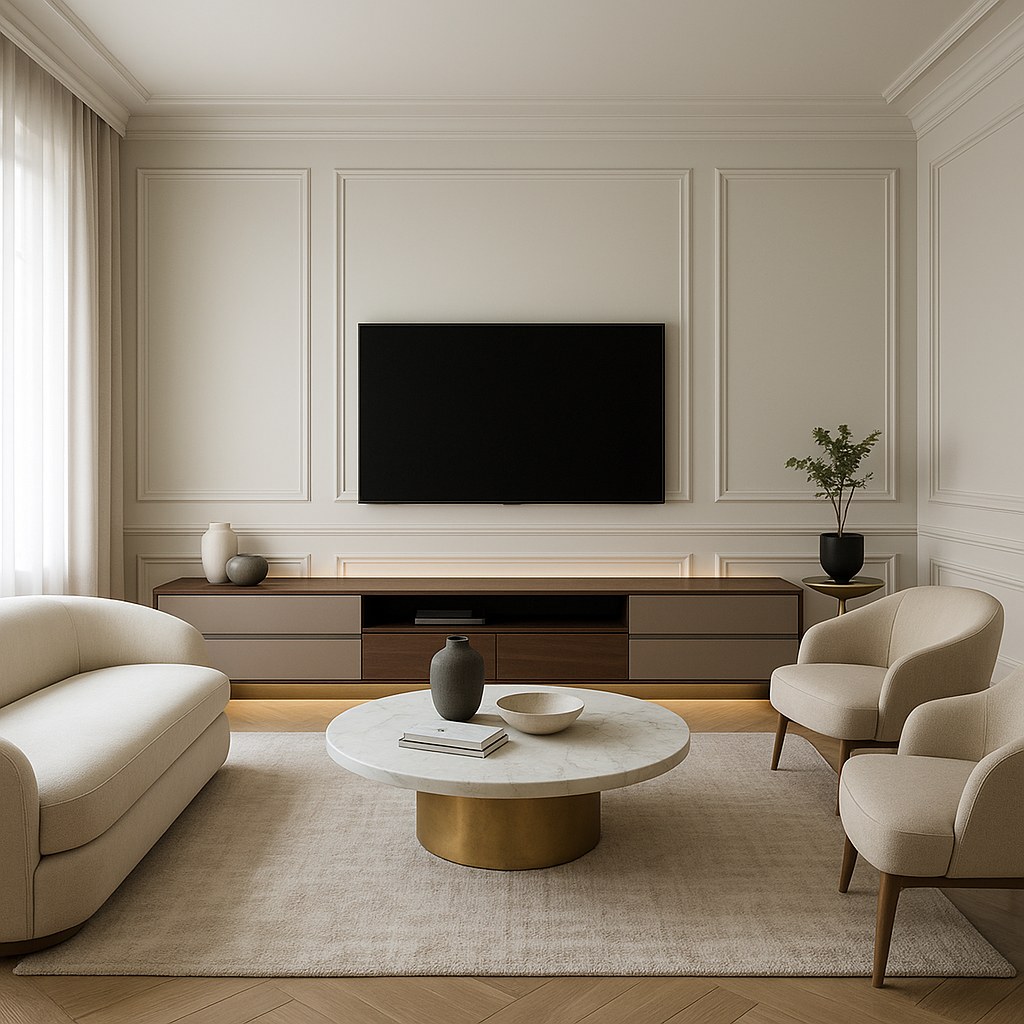
Quality and longevity of made-to-measure furniture
A bespoke piece is built for a particular place and is meant to stand there for many years. The quality of the construction therefore decides whether a piece remains convincing over time. The front is visible first, yet the real durability lies out of sight: in stable carcasses, load-bearing back panels, clean wood joints and fittings that stay smooth-running even after being opened a thousand times. A floor-to-ceiling cabinet or a wide wall unit has to remain aligned across its whole length, so that doors and pull-outs close exactly over the years and no gaps appear.
Longevity begins with the material and continues in the workmanship. Sufficiently seasoned solid wood stays dimensionally stable in heated interiors, which matters especially with built-in furniture, because even small movements would disturb the fit. With seating and upholstered benches, a solid frame, elastic webbing or spring cores and a carefully built-up padding determine whether seating comfort is preserved for years. Surfaces that can be cared for and refreshed when needed contribute further to keeping an individual piece attractive even after long use.
Finally, longevity includes the possibility of adding to a piece later on. Because a made-to-measure item was created for a particular room, we keep the associated details of dimensions, colours and materials in a traceable form. In this way a matching piece can still be reproduced years later, when a room is extended or a second project is furnished, without the consistency of the interior being lost. This constancy over time belongs, for us, to a high-quality individual piece just as much as the visible workmanship does.
Delivery and installation of the bespoke furniture
A bespoke piece only convinces once it stands undamaged and perfectly fitted in its place. We therefore apply the same standard to packaging and transport as to the production itself. Sensitive surfaces are protected in several layers, glass and marble are secured separately, and large parts are delivered dismantled where possible and joined together on site. Especially with built-in furniture that fits exactly into an alcove or under a slope, expert installation is an essential part of the result, because here it becomes clear whether everything interlocks precisely.
During installation on site, floor-to-ceiling cabinets and wall units are aligned, doors and drawers are adjusted, and fronts are set so that they follow a continuous line. An upholstered bench or corner bench is placed in position and checked so that it stands securely and sits flush. Only once a piece is fitted, aligned and checked is a room solution considered complete. On request we take on carrying the pieces into the respective rooms and disposing of the packaging material, so that in the end a ready-to-use room stands before you.
Delivery takes place within Germany, throughout Europe and, on request, worldwide. For destinations outside the European Union we clarify packaging requirements and transport routes in advance, so that no surprises arise along the way. For overseas deliveries sea freight is generally used, which means more lead time but transports the furniture more gently than any express variant. In this way even large, sensitive pieces reach their destination safely and can be fitted in on site without rework, as the standard of high-quality made-to-measure work demands.
Frequently asked questions about bespoke furniture
What is bespoke furniture?
Bespoke furniture consists of finished, individually made pieces whose dimensions, materials and execution are matched exactly to a particular room. Instead of a fixed catalogue width, the actual wall, the alcove or the room height determines the result. As a result, a made-to-measure piece fits exactly into its surroundings, uses the available space completely and appears as a self-evident part of the room.
Which types of piece are available as bespoke furniture?
As individual furniture, floor-to-ceiling cabinets, built-in wardrobes, bookshelves, wall units, TV lowboards and sideboards are produced, among others. In addition there are seating pieces such as sofas, armchairs, upholstered benches and corner benches, along with dining tables, beds with headboards, commodes and consoles. In the contract field, reception desks, bar counters and wall installations are made to measure. In principle, almost any type of piece can be realised as bespoke work.
How does bespoke furniture differ from mass-produced furniture?
Mass-produced furniture is made in fixed standard dimensions and therefore fits a room exactly only by chance. Bespoke furniture emerges from the actual conditions and the wishes of the client. Not only the dimensions can be chosen, but also the wood species, surface, fittings and covering. The result is individual pieces that are matched precisely to their place in fit, proportion and design.
Is bespoke furniture suitable for alcoves and sloping ceilings?
Yes, this is exactly where individual furniture shows its strength. Built-in furniture made to measure follows slopes, corners and bay windows and turns even difficult areas into usable storage. A cabinet under a sloping ceiling uses the low section that would stay empty with standard furniture. A bench in a window recess offers seating and storage underneath. In this way seemingly awkward rooms are fully exploited.
What materials is bespoke furniture made from?
For carcass and fronts, solid woods such as mahogany, oak, walnut, beech and teak are used, as well as high-quality veneers on stable substrates. Added to these are marble and natural stone for plates, brass and bronze for fittings, and polished glass for display cabinets. Seating pieces receive stable frames, spring cores or webbing and coverings of velvet, chenille, linen or genuine leather. The choice of material follows the intended use and design.
In which styles is bespoke furniture possible?
Individual furniture is not tied to any style. Classic baroque pieces with curved fronts and gilding are possible, as are modern, handle-free items with calm surfaces. Between these poles lie the English country look, Art Deco and Mediterranean designs. Because form, colour and proportion can be defined freely, a made-to-measure piece adapts to any style world and can be coordinated with the rest of the interior.
Is bespoke furniture durable?
Yes, longevity belongs to the very idea of made-to-measure furniture. Stable carcasses, load-bearing back panels, clean wood joints and smooth-running fittings ensure that a piece closes exactly over the years. Sufficiently seasoned wood stays dimensionally stable, and upholstery with a solid build keeps its comfort. Surfaces can be cared for and refreshed when needed, so that an individual piece remains attractive even after long use.
Does Casa Padrino make bespoke furniture for interior designers and contract projects too?
Yes, we work regularly with interior designers, planning offices and contract clients. They receive finished solutions that translate concepts into real built-in furniture and room furniture, along with dimensional details and fabric and colour samples. In the contract field, reception desks, bar counters, wall installations and lounge benches are made to fit into a fixed architecture and withstand heavy use. Reproducibility over the years is important to us.
Can existing rooms be added to with bespoke furniture later on?
Yes, this is a frequent occasion. When a room is extended or a second project is furnished, a matching piece can be reproduced in a coordinated wood species, colour and form. Because we keep the details of dimensions and materials in a traceable form, the consistency of the interior is preserved. In this way a new piece fits seamlessly into an existing room solution instead of looking out of place.
Does Casa Padrino deliver bespoke furniture internationally?
Yes, we deliver within Germany, throughout Europe and, on request, worldwide. For destinations outside the European Union we clarify packaging requirements and transport routes in advance. Overseas is generally handled as sea freight, which means more lead time but transports the furniture especially gently. On request, carrying the pieces into the rooms and installation on site are possible, so that the finished pieces move in with a perfect fit.
If you are looking for bespoke furniture that combines an exact fit, high-quality materials and a considered room solution, we invite you to explore our range at your leisure. Casa Padrino, the world market leader for luxury and baroque furniture, will gladly advise you on types of piece, materials and individual room solutions and looks forward to your visit at: https://www.casa-padrino.de/en