


Garden Bench in the Shade: Which Material Tolerates Moisture
Anyone wishing to place a garden bench under trees or on the north side of the house faces a particular challenge. In the shade, moisture dries more slowly, dew remains longer and moss settles more quickly. Not every material withstands these conditions permanently. The choice of the right material determines whether the bench looks weathered after two seasons or remains attractive for years.
Metal with Coating: Robust with Proper Care
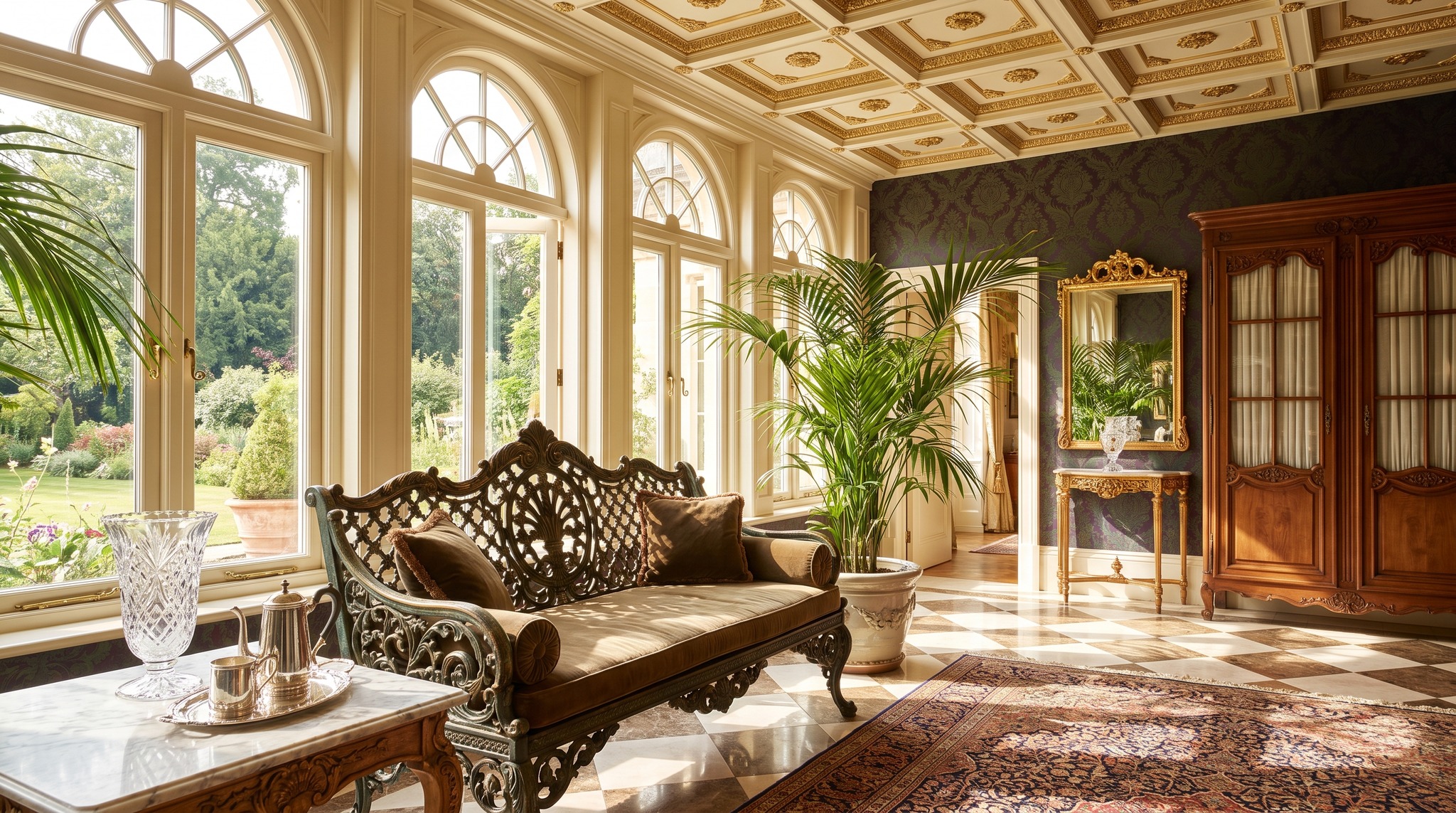
Aluminium and powder-coated steel are well suited for shady locations, provided the coating remains intact. Aluminium does not rust and tolerates moisture permanently. Steel requires a complete powder coating or paint finish. You should repair small scratches promptly to prevent moisture from penetrating. Cast iron, as often used in Baroque and Art Nouveau Garden Furniture, is heavy and stable, but requires an intact protective layer and occasional repainting.
Wood in the Shade: Choose Only Certain Species
Softwood such as spruce or pine rots quickly in the shade, even with varnish. Hardwoods with natural oil content are more suitable. Teak, robinia and oak resist moisture for many years. Teak develops a silver-grey patina but remains structurally stable. Robinia is native, very hard and hardly rots. Oak also lasts long but should be oiled every two years. Avoid tropical woods of unclear origin. Ensure that the bench stands on feet, not directly on the ground, so that water can drain away.
Plastic and Polyrattan: Easy to Maintain and Moisture-Resistant
High-quality polyrattan tolerates moisture without problems and dries quickly. It consists of UV-stabilised polyethylene and does not rot. Solid plastic benches made of polypropylene or recycled material are also resistant. Pay attention to UV resistance, even in the shade, as diffuse light otherwise makes the material brittle. Polyrattan should be mounted on an aluminium frame, not on steel, to avoid rust stains. These materials require hardly any maintenance, only occasional wiping is sufficient.
Stone and Concrete: Permanent but Cool
Benches made of natural stone or concrete are absolutely moisture-resistant and last for decades. Granite, sandstone and concrete stone absorb water but release it again without damage. The disadvantage: they remain cool and damp in the shade, seat cushions become necessary. Moss and algae settle easily but can be removed with a brush. Impregnation reduces soiling. For shady locations they are ideal if you use cushions or only use the bench occasionally.
Practical Measures for Every Location
Regardless of the material, a few simple measures help. Place the bench on gravel or paving stones, not directly in the grass. Ensure air circulation under the seat. Remove leaves and dirt regularly so that no moisture is stored. When selecting Garden Furniture for shady places, it is worthwhile to invest in durable materials that do not require constant aftertreatment.
Related items: Columns and Pedestals, Armchairs, Sideboards. baroque mirrors. The complete range: Baroque Furniture.
Related categories: Columns and Pedestals, Armchairs, Sideboards. The full range: Baroque Furniture.
Read more: Dining Table with Bench: Which Width for Children and Adults, Water Column in the Entrance Area: Which Height Suits Your Ceiling, Armchair by the Window: Reading Spot or Decoration, Decorating Shelves: Ideal Height and Spacing Between Objects, Combining Art Nouveau Garden Furniture: Colour, Form and Upholstery