

Gold Mirrors: Large, Ornate and Full Length Mirrors for the Home
A gold mirror changes a room twice over. Once as an object, because a carved and gilded frame is the only wall decoration with real depth and real weight, and once as light, because the glass sends every window and every lamp back into the room. Casa Padrino, one of the leading international specialists for luxury furniture, supplies gilded wall mirrors, oversized hall mirrors and full length floor mirrors, with more than ninety gold framed models in the English catalogue, delivered worldwide.
This page starts with the craft rather than the catalogue. The three questions buyers ask most, how large, standing or wall mounted, and which style, each have a section, as do measurements and fixing.
Where the gilded mirror comes from
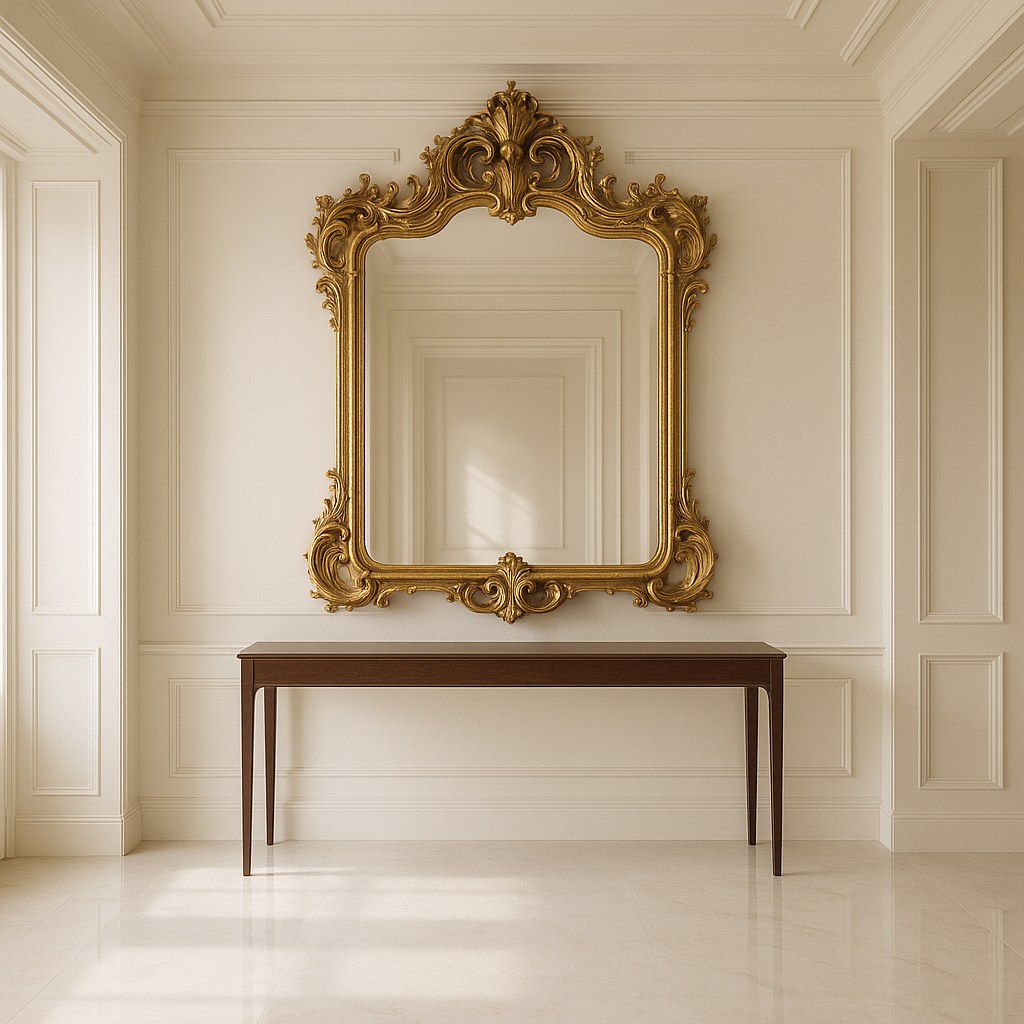
For most of their history mirrors were small, precious and rare. The turning point was Venice: glassmaking moved to the island of Murano in 1291, and by the sixteenth century Venetian mirror plate was among the most expensive materials in Europe by weight. Because the glass cost so much, the frame became the place where a workshop showed what it could do, and that is where the mirror stopped being an instrument and became furniture.
The moment the form turned into architecture is well documented: the Hall of Mirrors at Versailles, completed in 1684, set 357 mirror plates opposite the windows so that the garden and the daylight ran the length of the gallery. The Baroque and Rococo workshops of Italy, France and Spain spent the following century refining the vocabulary that still defines the category: symmetry, a tall crest, shellwork breaking the outline, and gilding concentrated where the light falls. In 1835 Justus von Liebig developed the silvering process that made large, flat mirror glass affordable, and the same century revived the Baroque frame for grand hotels and private salons.
Gold leaf over bolus, or gold coloured lacquer
Traditional gilding is a layered process, and the difference it makes is nearly invisible in a photograph and obvious in a room. The carved frame is built up with gesso, a mixture of chalk and animal glue, applied in thin coats and cut back until the carving is crisp again. Over the gesso goes bolus, a very fine clay ground, usually red. Gold leaf, beaten to a fraction of a micrometre, is laid onto the wetted bolus and picked up by surface tension alone, then burnished with an agate stone, which presses the leaf against the clay and gives the deep shine no paint reproduces.
The bolus is why antique gold looks the way it does. Where the leaf is burnished hardest, or worn back over the years, the red clay glows through the metal. That warm shimmer is the signature of real water gilding, and it is what an antique gold or vintage finish reproduces on purpose: the gilder rubs back the high points and tones the recesses with a darker glaze.
Gold coloured lacquer is something else, metallic pigment in a binder, sprayed or brushed on, perfectly even and without depth because no foil is catching the light at slightly different angles. Under warm lamplight it reads brassy or greenish rather than gold.
How to tell them apart. Look across the surface at an angle: leaf is laid in individual squares, so a gilded area shows faint joins and a slight shift in tone from sheet to sheet, which lacquer never does. Look into a deep recess, where a gilder leaves the surface matt while the raised parts are burnished; a sprayed frame shines equally everywhere. And look at a worn edge, because gilding wears through to a red ground and paint to white filler.
Our frames are carved and gilded by hand in workshops that have supplied us for years, so no two crests are identical, and where a project needs a size or gold tone the catalogue does not hold, those workshops build it.
What a mirror does to the light in a room
A mirror does not create light, it returns it, and placement decides what it is worth. Opposite a window it shows the view and the sky, and the room reads as if it had a second opening. On the wall at a right angle to the window it spreads daylight into the darker half of the room, which is usually the more useful of the two.
What the mirror will reflect matters just as much: facing a blank wall or a cluttered shelf, it doubles exactly that, so stand where people actually stand before deciding. Gold has an effect here that silver and black frames do not: a gilded surface returns warm light warm, so the frame keeps the glow of lamps and candles in the room instead of cooling it, which is why gold mirrors sit so well beneath chandeliers, wall lights and candelabra.
Large gold mirrors: presence on a single wall
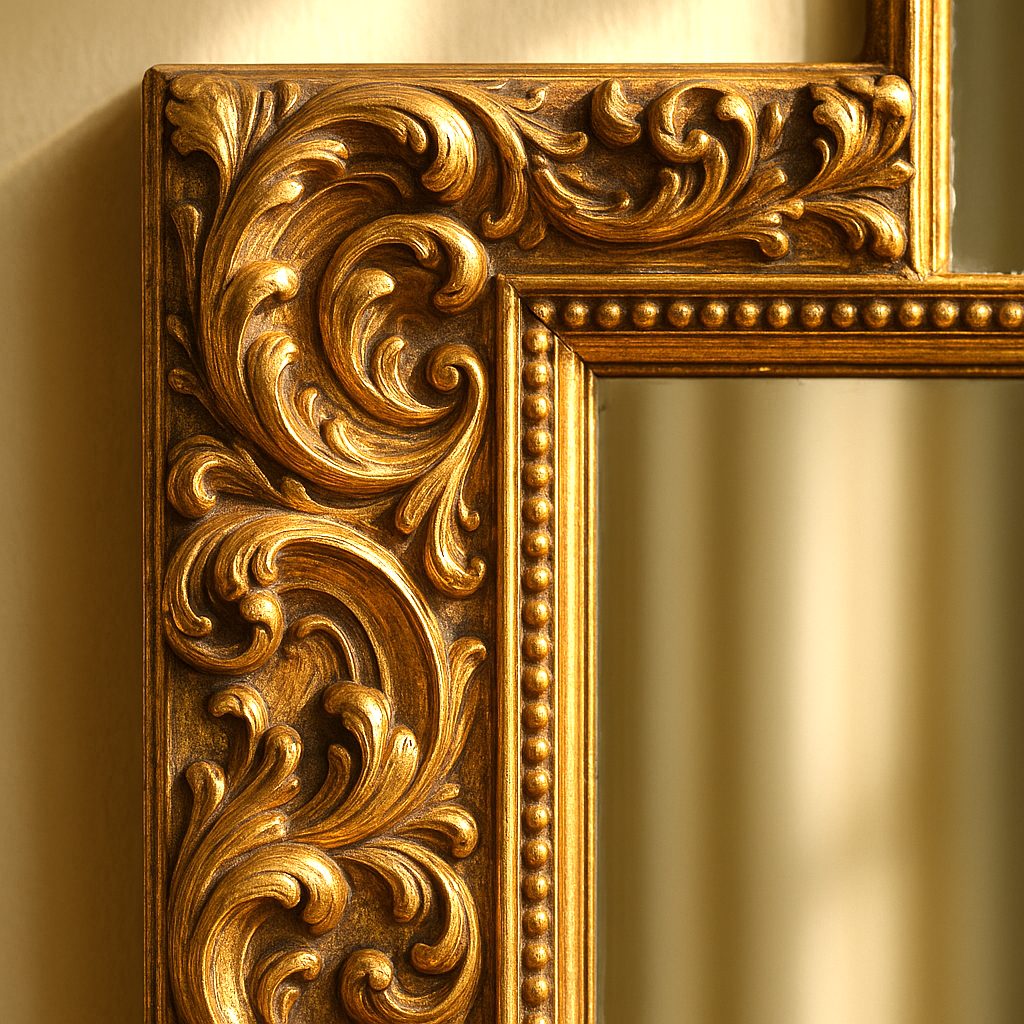
The largest part of the demand is simply for size, because a large gold mirror is one of the very few pieces that can hold an entire wall on its own. Our oversized models reach well beyond two metres in the tallest versions, and they are used in three typical ways.
- The entrance wall. A tall mirror facing the door makes a narrow hall read as a room, and with a console underneath it is the most reliable hallway arrangement there is.
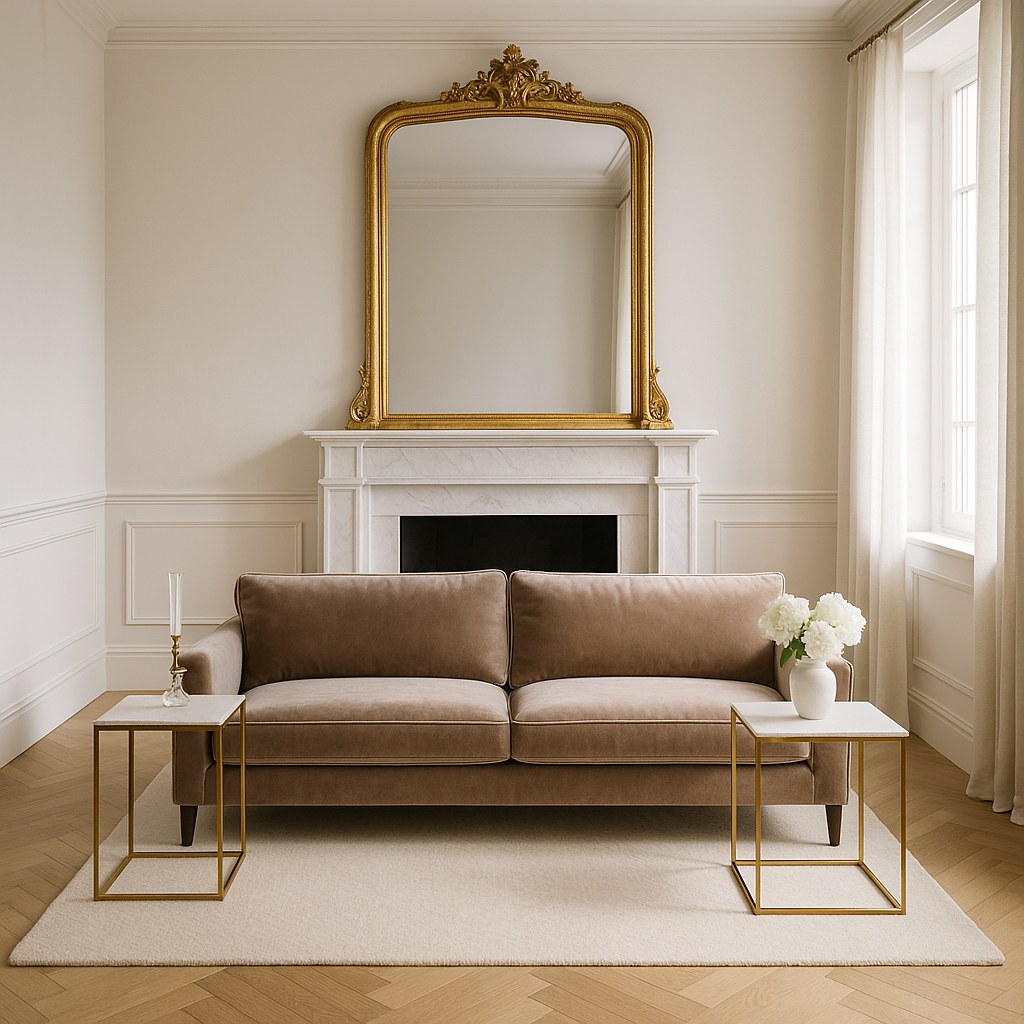
- Above the fireplace. The overmantel is the historic position and still the strongest, because it centres the chimney breast and doubles the firelight.
- Above a sofa or a sideboard. Here a single mirror replaces a picture group and never competes with the room, since it only shows the room back.
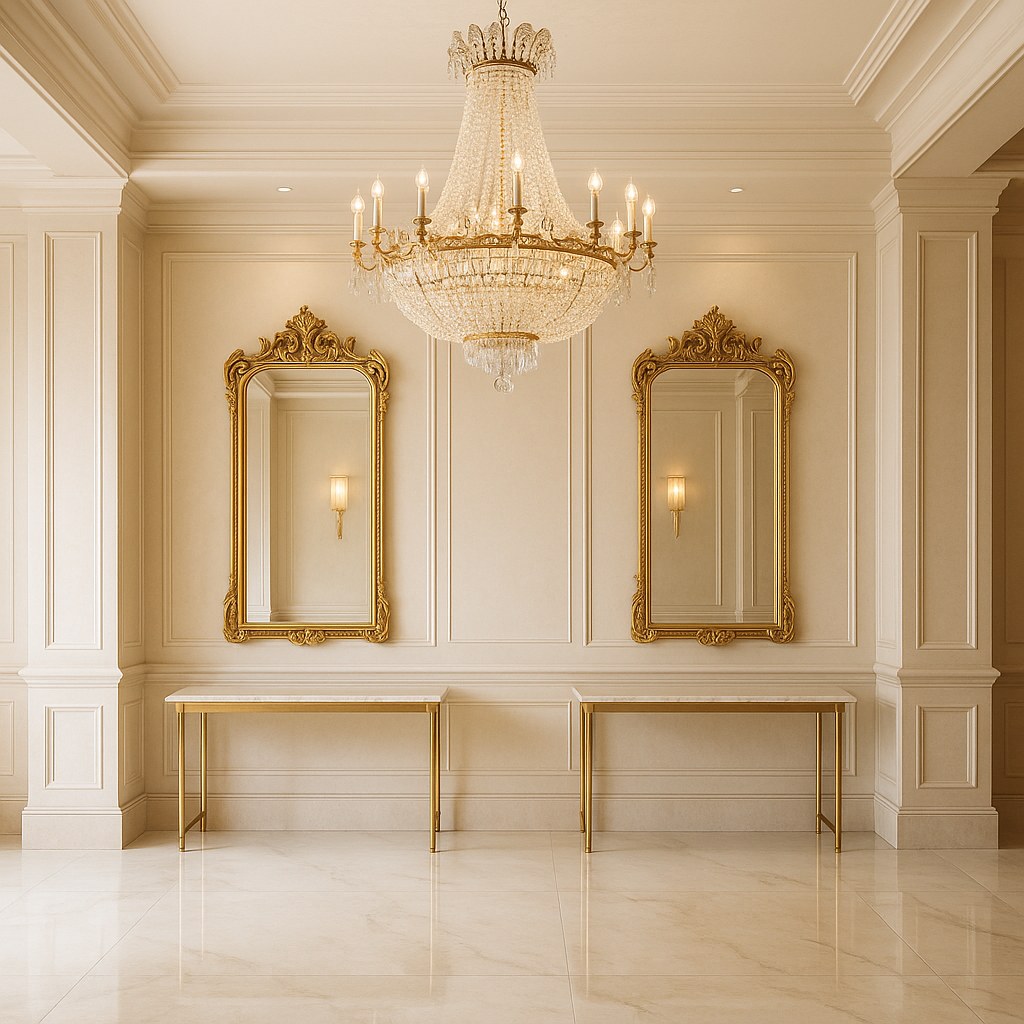
Large frames are also the ones most often bought in pairs, flanking a doorway or facing each other along a gallery, standard practice in the interiors on our page for luxury hotel furniture and in the hotel furniture and decoration category. The full range of formats sits in mirrors, the most elaborate gilded pieces under luxury mirrors.
Full length and floor standing gold mirrors
The second line of demand is for mirrors you can see yourself in from head to foot, and they come in two constructions.
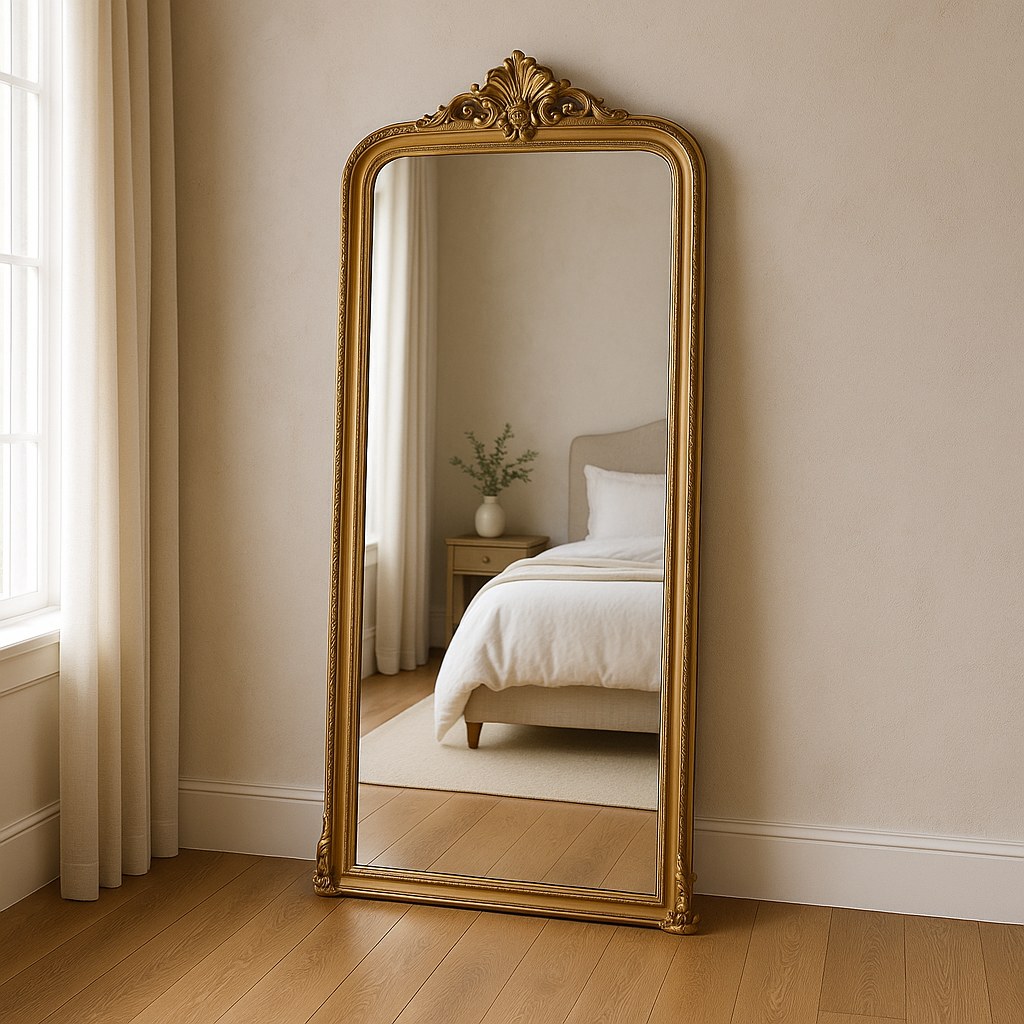
Leaning floor mirrors stand against the wall at a slight angle. Nothing has to be drilled, they move when a room is rearranged, and the small backward tilt is flattering. They need a stable floor: on deep carpet the feet sink, on polished stone they can slide.
Cheval and standing mirrors have their own frame and feet and usually a pivot, so the glass can be tilted. They are freestanding and can stand away from a wall, which suits large bedrooms and dressing rooms.
Full length gilded mirrors are also the ones most often specified for hotel suites and boutiques. In a bedroom they pair naturally with a baroque bed, in a dressing room with a commode or console, and whatever the construction, a mirror standing on the floor has to be secured.
From baroque to antique gold: the styles
The third axis is style, and the vocabulary is worth knowing, because these words are used loosely across the market.
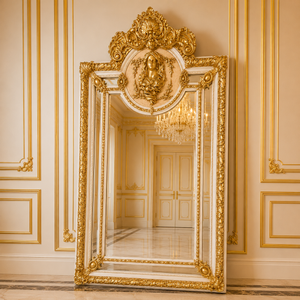
- Baroque. Symmetrical and architectural, with a strong crest and heavy carved ornament. The most formal of the gilded forms, and the one that carries a large wall best; see our baroque mirrors category.
- Rococo and ornate. Lighter and deliberately asymmetric, with shell and leaf motifs breaking the outline. This is what most people mean by an ornate gold mirror, and it suits a smaller wall.
- Neoclassical. Calmer, with a rectangular or oval outline and beading instead of scrolls, the easiest gilded style to combine with modern furniture.
- Antique gold and vintage finishes. Not a shape but a treatment: the gilding is rubbed back and the recesses toned, so a new frame looks aged from the first day.
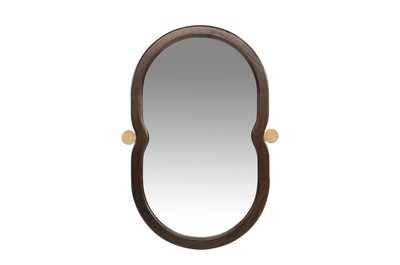
- Round, oval and sunburst forms. These work where a rectangle would fight the architecture, for instance between two windows.
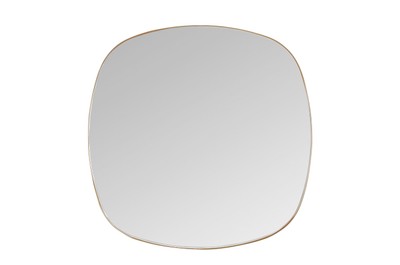
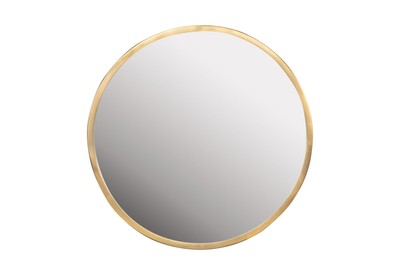
- Slim gold and brass frames. Contemporary designs where the metal is the whole idea, for interiors that should not become period rooms.
Gilded mirrors are rarely bought alone. What most often goes with them is a cabinet or display cabinet in a matching finish, a carved baroque armchair for a hall or dressing room, and for ceremonial settings the seating on our page for throne chairs.
Measurements, weight and fixing to the wall
More mirrors are sent back over proportion and fixing than over style. These are the rules of thumb decorators use, plus the points that decide whether the piece stays on the wall.
Above a console or a commode. The mirror should be narrower than the furniture below it, roughly two thirds to three quarters of its width, with about 15 to 20 cm of wall between the two.
Above a fireplace. Keep the mirror within the width of the mantelpiece and centre it on the chimney breast rather than on the wall, because the eye measures it against the fireplace. A gap of roughly 10 to 15 cm above the mantel shelf is the usual proportion. Check what the mirror shows from a seated position, because a ceiling light in the reflection is the most common regret.
In a hallway. Hang the mirror so the centre of the glass sits about 155 to 165 cm above the floor, which is eye level for most adults, and check that a face falls in the upper half of the glass.
Weight and fixings. A large carved and gilded frame with real mirror glass is heavy, commonly between 15 and 50 kg, and the glass makes the load unforgiving. Use at least two fixing points, spread as wide as the frame allows. In solid masonry, drill and plug properly with screws sized for the load. In plasterboard, fix into the studs or onto a timber batten screwed across two of them, because cavity anchors alone are not sensible at this weight. For very large pieces a French cleat is the safest method, since it spreads the load along the whole top edge. Check for cables and pipes before drilling, and lift with a second person.
Floor mirrors and tipping. A leaning mirror is stable only within a narrow range of angles: too upright and it slides down the wall, too far out and the base can kick away. Fix an anti-tip strap or an L bracket from the back of the frame into the wall, and put felt pads under the feet on hard floors.
Getting it into the building. A mirror cannot be dismantled, so the limiting dimension is the diagonal of the packed crate through the narrowest turn of the route: measure the front door, every turn on the stairs, the lift car, and the door of the room itself.
Delivery and care
Casa Padrino ships worldwide. Large mirrors travel crated by freight forwarder with a delivery appointment, smaller frames go by parcel service. Delivery is made kerbside to the address given; carrying the mirror into the building, up stairs, into a lift or into the room where it will hang is not part of the standard service, so please arrange help on site beforehand and check the route before ordering. We do not operate a showroom, so advice is given by telephone and email.
Unpack a mirror upright, never flat on its face. Dust a gilded frame with a dry soft brush, never a damp cloth, because water and household cleaners lift gold leaf, and spray glass cleaner onto the cloth so nothing runs behind the silvering.
Why Casa Padrino
Casa Padrino has grown into one of the internationally known names for baroque, Art Nouveau, Art Deco and contemporary luxury furniture, with customers in more than fifty countries and a catalogue running into thousands of pieces. In May 2025 our designer Marvin Schertl received the International Design Award for Excellence in Luxury Furniture, presented at a gala dinner in Cannes.
For gold mirrors, three things follow. Depth of range, because more than ninety gilded models mean a real choice of size, shape and gold tone rather than one frame in three widths. Genuine gilding on the pieces described as gilded. And the ability to supply the rest of the setting from one house, so that the mirror, the console beneath it and the seating around it belong together. The complete collection is at casa-padrino.de.
Frequently asked questions about gold mirrors
What is the difference between real gold leaf and gold paint?
Gold leaf is metal foil laid over a clay ground and burnished, so it has depth and faint joins between the sheets. Gold paint is flat pigment in a binder and reads brassy under warm lamps.
How large should a mirror above a console or commode be?
Narrower than the furniture, roughly two thirds to three quarters of its width, with about 15 to 20 cm of wall between the two.
How high should a gold mirror hang in a hallway?
Put the centre of the glass about 155 to 165 cm above the floor, so that a face sits in the upper half of the mirror.
How do I fix a heavy gilded mirror safely?
Use at least two fixing points spread as wide as the frame allows. Drill and plug properly in masonry; in a stud wall fix into the studs or onto a timber batten. For very large frames a French cleat is the best method.
Can a full length mirror simply lean against the wall?
It can, but secure it with a strap or bracket into the wall, particularly where there are children or animals, and use felt pads under the feet on hard floors.
Is an antique gold mirror actually old?
No. Antique gold and vintage gold are finishes, not ages: the gilding is rubbed back and the recesses toned, so a newly made frame looks aged from the first day.
Do you have oversized mirrors or bespoke sizes?
Yes. Several models run well beyond two metres in height, and our workshops produce bespoke dimensions, gilding tones and matching pairs to specification.
Which room suits a large gold mirror best?
Entrance halls, above a fireplace, above a sofa or sideboard, and dining rooms. The decisive question is not the room but what the mirror will reflect.
How do I clean a gilded frame and the glass?
Dust the frame with a dry soft brush, never a damp cloth, since water lifts gold leaf. For the glass, spray the cleaner onto the cloth so that nothing runs behind the silvering.
Do you deliver worldwide, and how?
Yes. Large mirrors go crated by freight forwarder with a delivery appointment, smaller ones by parcel service. Delivery is kerbside to the address given, so please arrange help for carrying the piece into the building.
Selected pieces from our collection

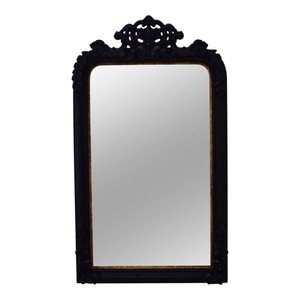
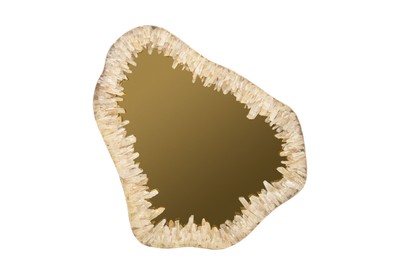
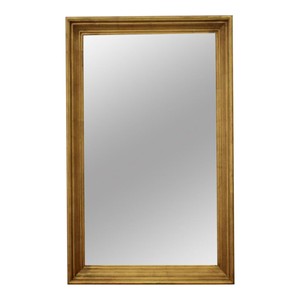
You may also be interested in
Back to the overview: Luxury Furniture for Hotels, Villas & Projects Worldwide