

Venice Film Festival Interiors: Furniture for Palazzo Galas and Lido Suites
Every year at the end of August the film world moves to a narrow strip of sand between the lagoon and the Adriatic. The Lido di Venezia has hosted the world's oldest film festival since 1932, and for ten days its hotels, its palazzo salons across the water and its terraces along the canals become rooms that have to look finished on camera. Casa Padrino, one of the leading international specialists for luxury furniture, supplies the pieces that furnish evenings like these, and the same collection is bought as set dressing for film and television productions throughout the year.
This page starts with Venice itself, because no city on earth places harder demands on furniture. Not on how it looks, on how it gets there and how it survives.
The Lido, the lagoon and the oldest festival of them all
The Venice film festival began in 1932 as part of the Biennale, which makes it the oldest in the world, older than Cannes by fourteen years and older than Berlin by nineteen. It has always been held on the Lido rather than in the historic centre, and that decision shaped everything about how it feels. The Lido is a resort island, eleven kilometres of sandbar, built up in the first years of the twentieth century when Venice decided it wanted a seaside season.
What that produced is a concentration of grand hotel architecture unlike anywhere else on the Adriatic. The Excelsior opened in 1908 in an extraordinary moorish style, all arches, towers and tiled courtyards. The Hotel des Bains, a few streets away, is the building Thomas Mann used in Death in Venice. Between them stands the Palazzo del Cinema, built in 1937, still the main screening hall.
The festival occupies all of it, and then spills back across the lagoon. The receptions and private dinners that matter happen in the historic centre, in palazzo piani nobili along the Canal Grande, in cloisters and in courtyards that are opened for two weeks a year. A single evening can involve a boat, a private landing stage and a room that has been standing since the sixteenth century.
Venetian rooms: what they are made of
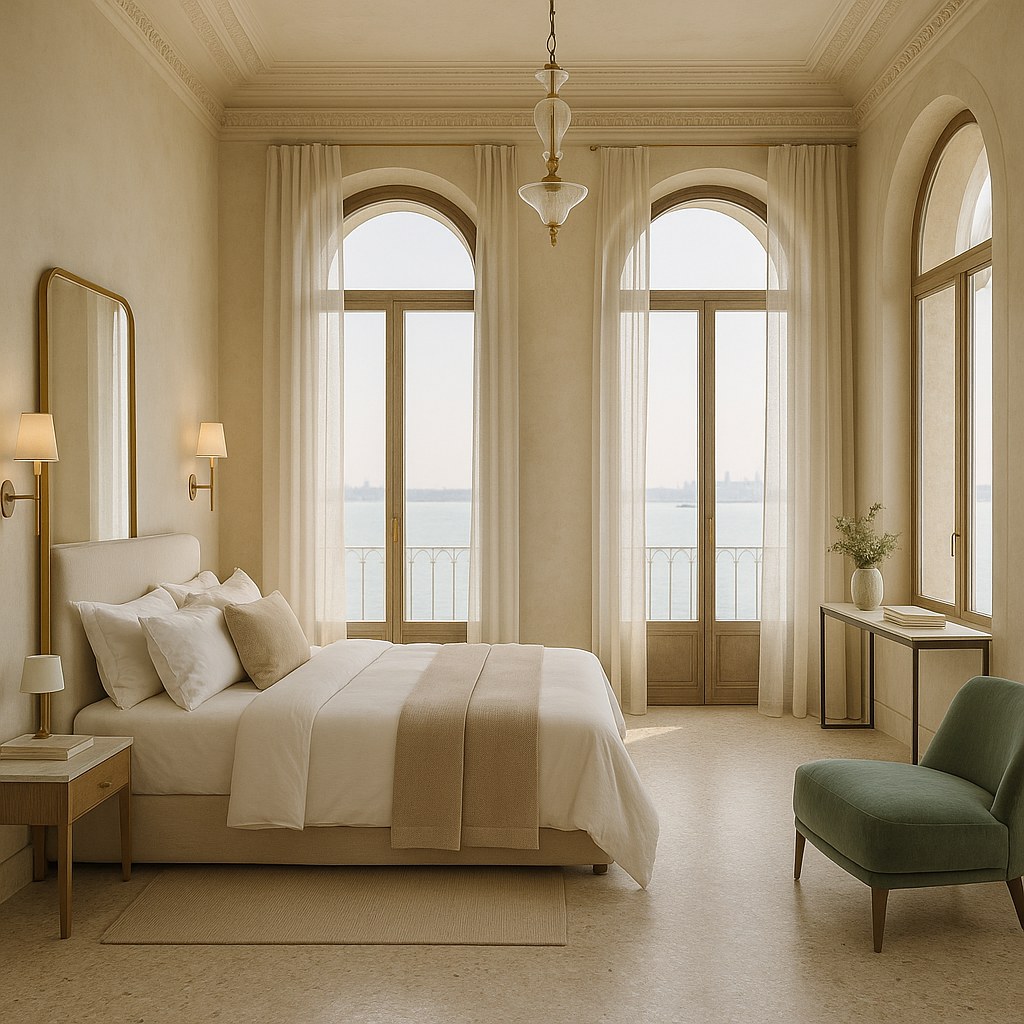
The interior vocabulary of Venice is specific and it suits our collection unusually well. Floors are terrazzo alla veneziana, marble chips polished into a seamless surface, warm and slightly uneven underfoot. Walls carry stucco or fabric panels rather than wallpaper. Ceilings in a piano nobile are high, often beamed or painted, and the windows run almost floor to ceiling to catch light off the water.
The furniture tradition that grew in those rooms is one of the most decorative in Europe. Venetian cabinetmakers of the eighteenth century worked in lacquered and painted finishes, curved fronts, gilded detail and a lightness that the heavier northern baroque never had. Mirrors were a Venetian speciality long before they were anyone else's, and chandeliers came from Murano across the lagoon, made of blown rather than cut glass.
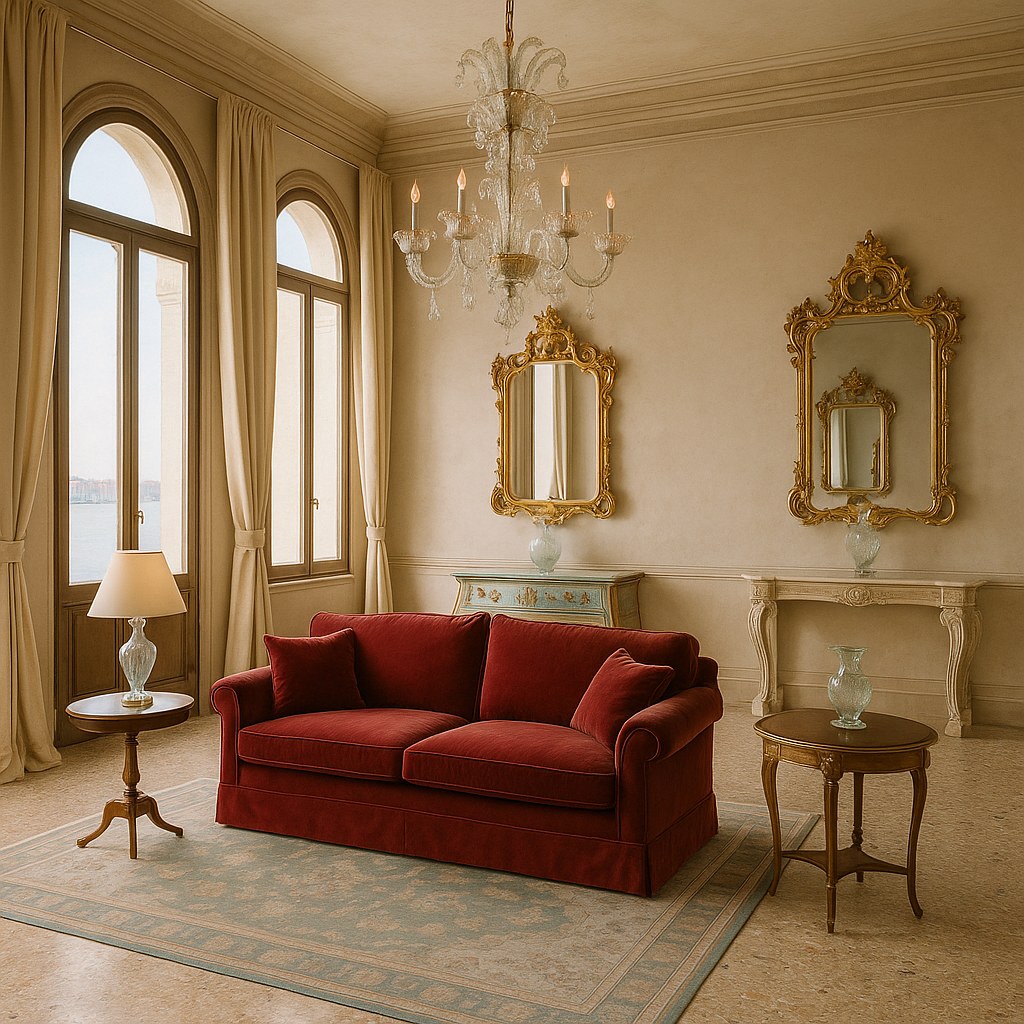
That is why painted and gilded commodes, ornate mirrors and chandeliers read as native in a Venetian room rather than imported. A gilded console in a palazzo salon is not a stylistic decision, it is the continuation of what the room was built for.
Two practical facts that decide everything in Venice
Everything arrives by water, and then by hand. There are no lorries in the historic centre and none in most of the Lido's older quarters. Furniture comes on a boat to a landing stage or a canal-side door, and from there it is carried, often over at least one bridge with steps on both sides, up a narrow staircase, through a door that was built for people rather than for sofas. A piece that cannot be carried by two people through a one metre opening simply does not arrive.
The consequences are concrete. Measure the route, not just the room. Prefer pieces that can be delivered in parts and assembled on site. Ask about the bridge count between the landing stage and the door, because that is the number that decides the labour. And plan more time than a mainland delivery would need, because a boat delivery has to be booked, tides matter, and the historic centre restricts working hours.
Humidity is permanent, and salt is in it. Venice sits in a lagoon; ground floors have absorbed water for centuries and acqua alta still reaches them several times a year. That is precisely why Venetian life happens on the piano nobile, one floor up, and why fine furniture belongs there and not at street level.
Even upstairs, the air holds moisture that a mainland room does not. Solid wood handles that if it has been properly dried and built with joints that allow movement, which is how our classical pieces are made. Veneers over composite board are the ones that lift. Metal fittings need a real finish rather than a thin coating. And a room that stands closed and unheated for months, as many palazzo apartments do, benefits from being aired rather than sealed.
The rooms of a festival, and what furnishes them
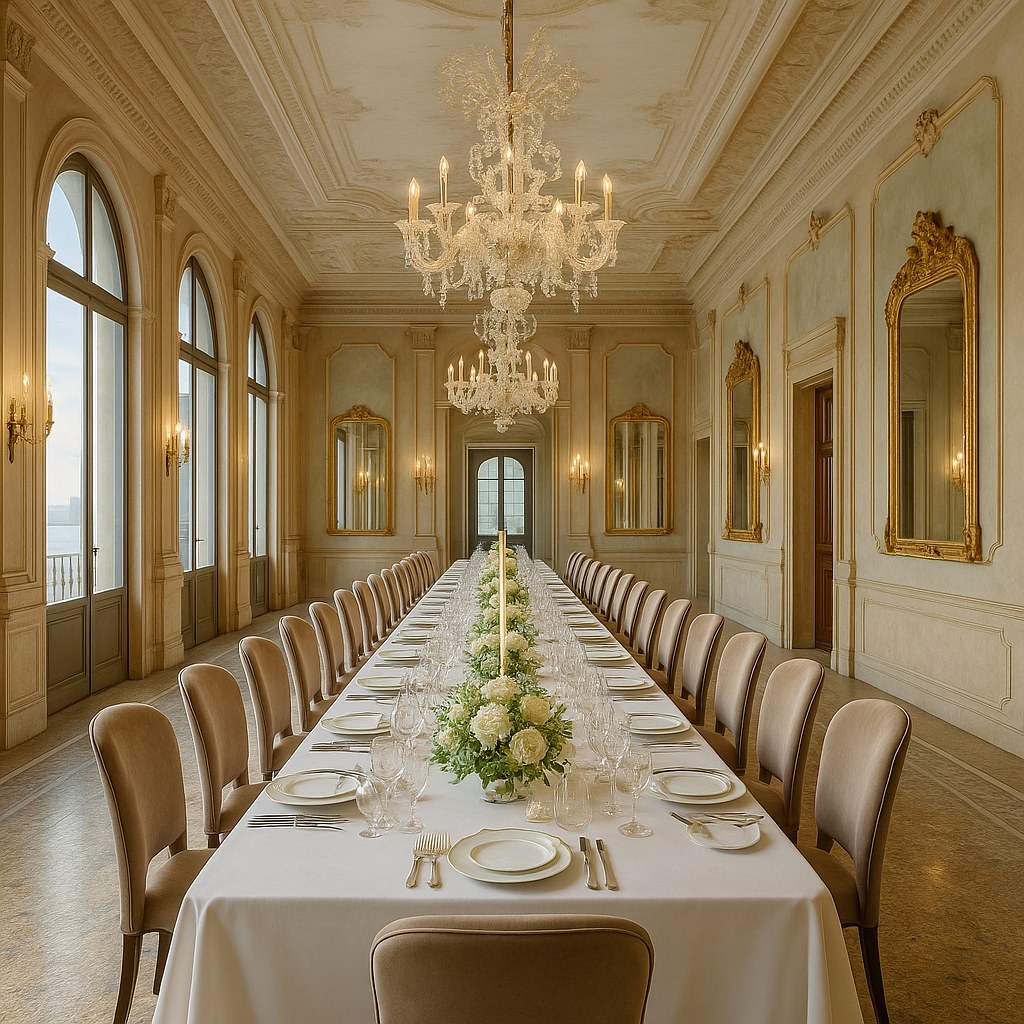
The palazzo gala dinner is the signature Venetian event: a long table in a piano nobile, chairs that look right from every angle, candelabra, and chandeliers overhead. Our dining tables, chairs and crystal chandeliers are made for exactly this.
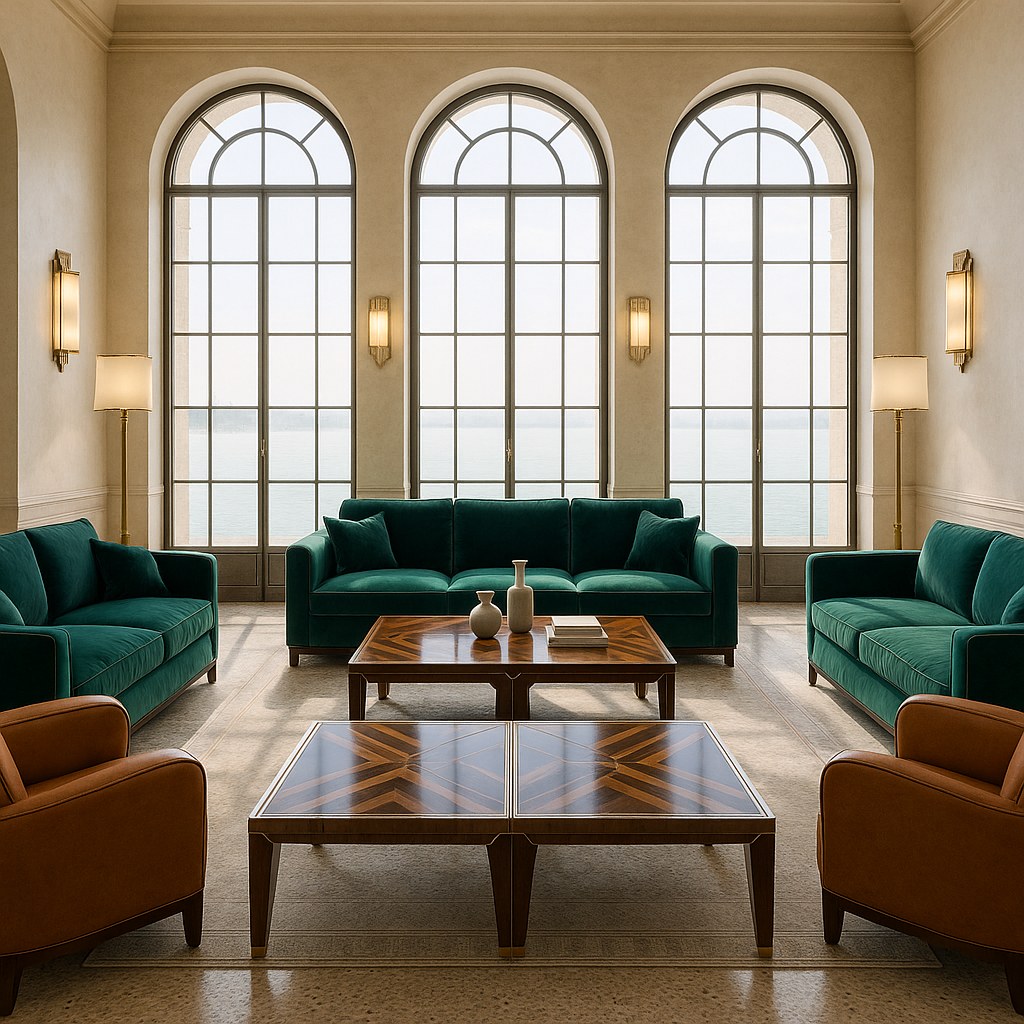
The hotel lounge and reception on the Lido leans Art Deco as much as baroque, because that is the period the island was built in. Deep velvet sofas, geometric inlay tables and refined floor lamps suit those rooms better than heavy carving.
The press and interview corner is small and endlessly photographed: two facing luxury armchairs, a low table, a calm backdrop.
The hospitality suite needs to feel residential, with one substantial piece, a good mirror and considered lighting.
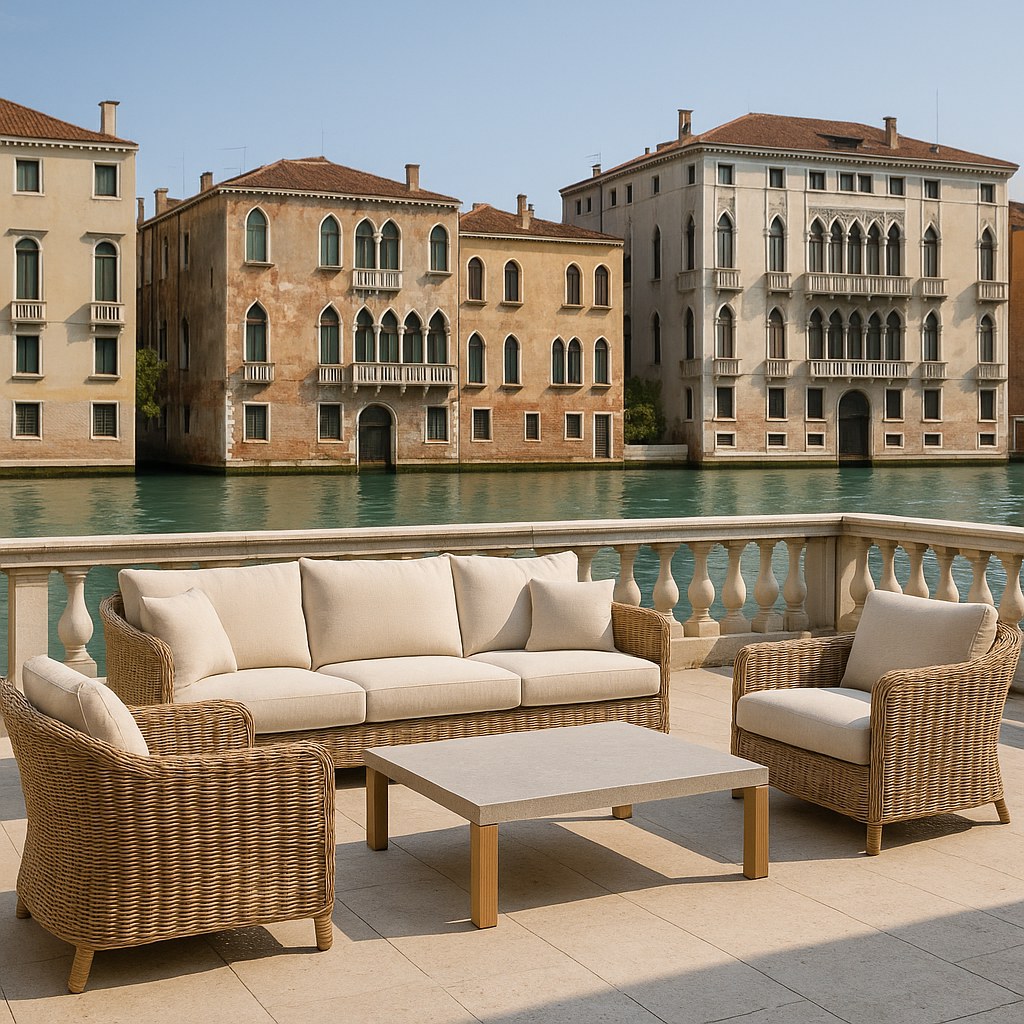
And the canal-side terrace or roof altana wants weatherproof pieces that still look like furniture. Our terrace and garden furniture in wrought iron, teak and rattan covers that.
Furniture as set dressing for film and television
Away from the festival itself, a steady part of our business is furniture bought for productions. Set decorators and property buyers come to us for the same reason event organisers do: we hold a wide range of period-looking pieces in stock, and stock is what a shooting schedule needs.
Venice is filmed constantly, and the requirements repeat. Carved and gilded salon furniture for period drama. Painted Venetian style commodes and consoles that fill a wall convincingly. High-backed throne style armchairs for court and fantasy scenes. Large ornate mirrors, which give a camera depth in a small room, a trick that matters in a city where most rooms are small. Chandeliers and candelabra for candlelit interiors.
Two things count for a production buyer beyond the look: the pieces have to be available now, and they have to survive being moved between set-ups repeatedly. Solid frames and real joinery matter more on a set than in a living room, because a set piece is carried, turned and repositioned dozens of times.
Because we sell rather than hire, a production keeps the pieces afterwards, which across a long shoot usually costs less than repeated rental, and the furniture can be reused on the next production. Our page on film set and gala furniture covers that side in detail.
Materials and craftsmanship
Solid mahogany, oak and walnut form the structural basis of most of our classical pieces. Carving is done by hand, gilding is applied as leaf rather than sprayed, and upholstery is built up in layers on a solid frame instead of over a moulded shell. Marble is selected as a slab rather than ordered by the square metre, which is why two of our marble tables are never identical.
Metalwork runs from polished brass and antique bronze to wrought iron worked in the old way. Glass and crystal components for chandeliers are cut, not pressed. Under event lighting and on camera those differences are visible, which is the practical argument for them rather than the romantic one.
Bespoke production and quantity
Events and productions regularly need something the catalogue does not hold: twenty identical chairs rather than the twelve in stock, a table built to the length of a specific hall, a piece in a house colour, or a copy of a historical form for a period scene. We adjust dimensions, change woods and finishes, work to a specified fabric, and build individual pieces from a drawing.
In Venice bespoke has a second use that matters more than elsewhere: building a piece so it can be carried. A sofa made in two sections, a table with a removable top, a cabinet that passes a one metre door. Tell us the route and we will build to it.
Delivery to Venice and the Lido
Casa Padrino ships worldwide and Italy is one of our established markets. Deliveries reach Venice, the Lido and the whole Veneto regularly. Larger and heavier pieces travel by freight forwarder, smaller items by parcel service.
Delivery is made kerbside to the given address, which in Venice means the last point a vehicle or a boat can reach. Carrying items over bridges, along calli, up staircases or into the room of use is not part of the standard service. This is the single most important thing to arrange in advance here, and it is worth using a local porterage firm that does it every day. Tell us the destination at the enquiry stage and we will be explicit about where our delivery ends and yours begins.
We do not operate a showroom in Venice. What we offer instead is detailed photography, dimensions, material information and direct advice by telephone and email before the decision is made.
Why Casa Padrino for festival and production interiors
Casa Padrino has grown into one of the internationally known names for baroque, Art Nouveau, Art Deco and contemporary luxury furniture, with customers in more than fifty countries and a catalogue running into thousands of pieces. In May 2025 our designer Marvin Schertl received the International Design Award for Excellence in Luxury Furniture, presented at a gala dinner in Cannes.
For this kind of work the breadth is the point: one supplier can dress a gala hall, a suite, a terrace and a set without the result looking assembled from four different places. Add stock availability, workshops able to build what the catalogue does not hold, and enough experience with fixed dates to say honestly what will arrive in time. The full collection is at casa-padrino.de.
Frequently asked questions
Do you deliver furniture to Venice and the Lido?
Yes, regularly. Delivery is made to the last point a vehicle or boat can reach. Transport over bridges and up staircases is a separate service that needs to be arranged locally, and it should be organised before the furniture leaves us, not after it arrives.
How do I know whether a piece will fit through the door?
Send us the door and staircase measurements and the bridge count from the landing stage. We will tell you what fits, what needs to be delivered in parts, and what should be built to your route instead.
Which furniture suits a palazzo piano nobile?
Those rooms carry scale: painted and gilded commodes, tall mirrors, crystal chandeliers, long dining tables and upholstered chairs. Underscaled furniture is the common mistake in a room with five metre ceilings.
And a Lido hotel interior?
The island was built in the early twentieth century, so Art Deco sits more naturally there than heavy carving: velvet sofas, geometric inlay tables, refined floor lamps.
Is humidity a problem for solid wood furniture in Venice?
Less than for veneered board. Properly dried solid wood with joints that allow movement copes with lagoon air; thin veneers over composite lift at the edges. Keep fine pieces on the piano nobile rather than at ground level, and air closed rooms regularly.
Do you supply furniture for film and television productions?
Yes. Period salon furniture, painted commodes, throne style armchairs, large mirrors, chandeliers and consoles are regularly bought as set dressing. We sell rather than hire, which over a long shoot is often more economical than repeated rental.
Can you deliver in time for the festival at the end of August?
Usually yes, if you tell us the date at the first enquiry. Stock items are the realistic route for short lead times; bespoke production needs to start considerably earlier. Venice needs more buffer than a mainland destination because of the boat transfer.
Can you supply larger quantities of identical chairs or tables?
Yes. Quantities beyond stock are produced to order and quoted as a project. Tell us the number and the date together, because each decides the other.
Which pieces photograph best?
Those with real depth: hand carving, gold leaf, deep buttoned upholstery, cut crystal, aged mirror glass. In Venetian rooms a large mirror is the most useful single piece on camera, because it doubles a small space.
How does an enquiry work?
Send us the rooms or the set, the date, the quantity and the access route including bridges and staircases. You receive a selection with alternatives, material information and a delivery estimate, and for larger jobs a written offer covering the whole scheme. Enquiries in English, German and French are handled directly.
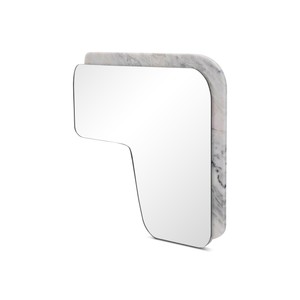
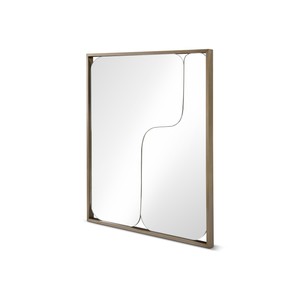
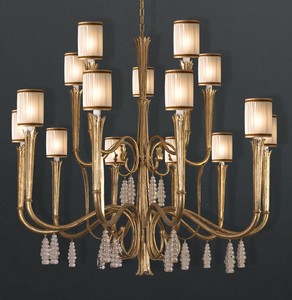
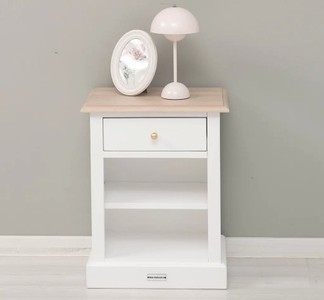
Selected pieces from our collection

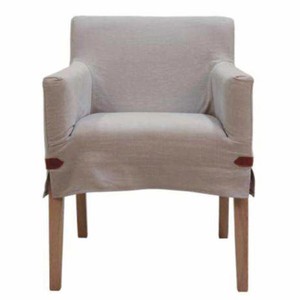
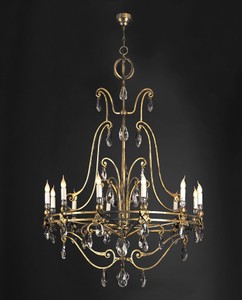
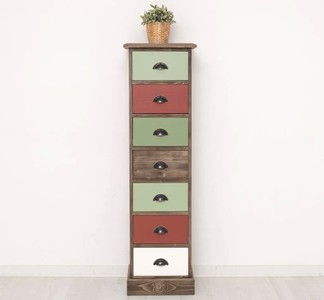

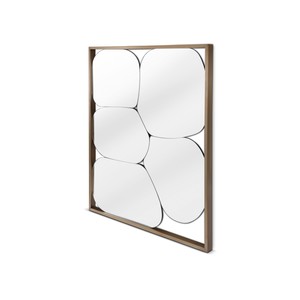
You may also be interested in
Back to the overview: Luxury Furniture for Hotels, Villas & Projects Worldwide