


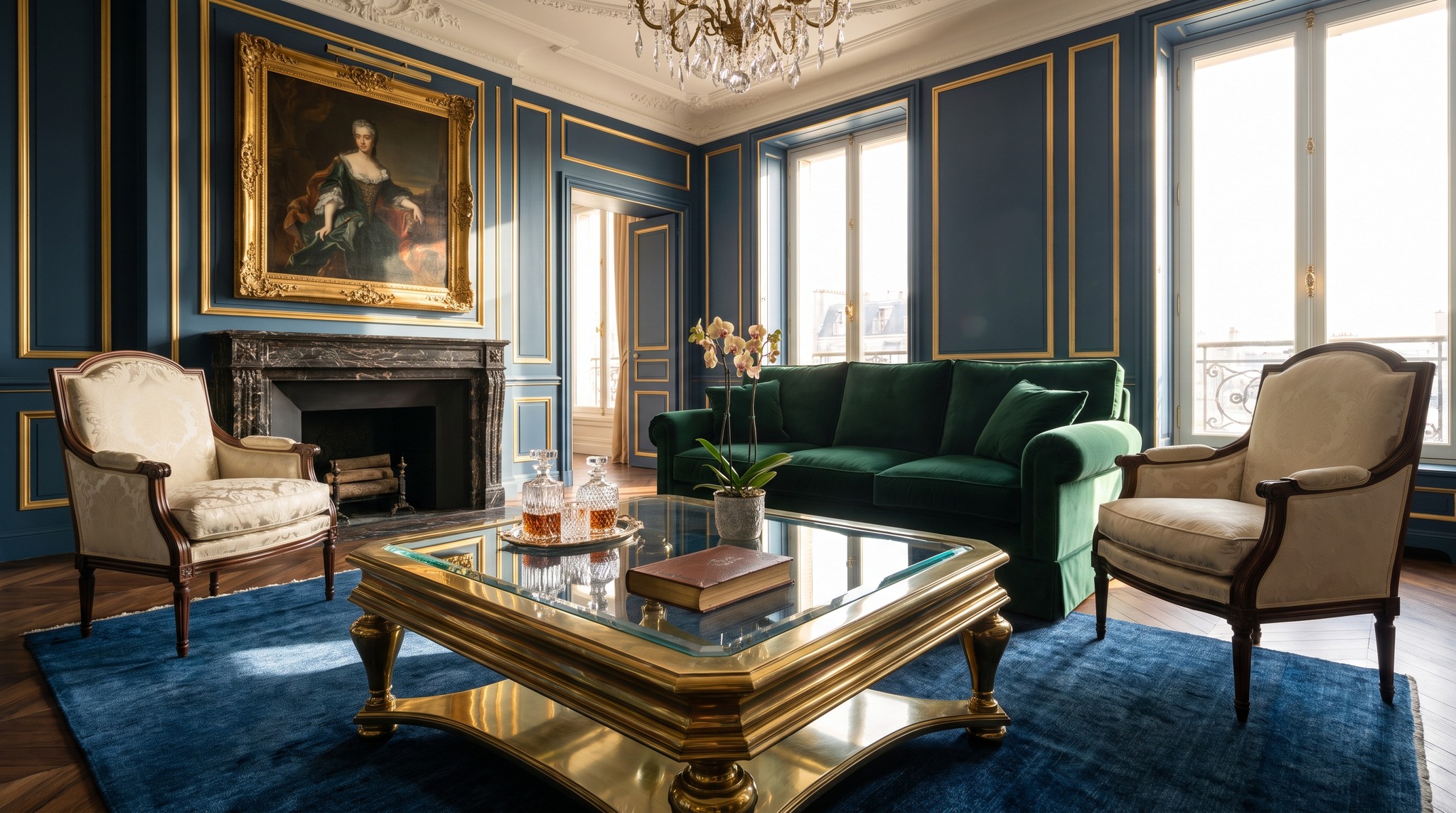
Coffee Table with Glass Top: Which Thickness Looks Stable and Elegant
You are planning a coffee table with a glass top for your living room and wondering which glass thickness is right? The thickness of the top determines not only the stability but also the visual impact of the furniture. Glass that is too thin appears fragile and may give way under load, while glass that is too thick makes the table look bulky. In this article, you will learn which glass thickness is suitable for which purpose and what you should consider when making your selection.
Standard Thicknesses and Their Properties
Glass tops for coffee tables are typically offered in thicknesses between 8 and 19 millimetres. An 8 to 10 millimetre thick top is suitable for small, lightweight tables with a continuous frame or closely spaced base structure. It appears delicate but requires good support. Tops with 12 to 15 millimetres are considered standard for most living room tables: they offer sufficient stability for books, vases and dishes without becoming visually dominant. Thick glass from 19 millimetres is used for large tables or minimalist frames where the top itself is a load-bearing element.
Consider Load Capacity and Span
The larger the free area between support points, the thicker the glass should be. For a span of up to 80 centimetres, 10 millimetres is sufficient if the frame provides continuous support. If the top rests only on four corner points and measures 100 to 120 centimetres in length, at least 12, preferably 15 millimetres is recommended. For tables from 140 centimetres in length with few support points, you should choose 19 millimetres to avoid deflection and risk of breakage. Tempered safety glass is standard, as it shatters into blunt fragments when damaged.
Visual Impact of Glass Thickness
The thickness of the top significantly influences the aesthetics. Thin glass up to 10 millimetres appears light and understated, suits delicate metal frames and small rooms. It allows the base structure to stand out more. Medium thicknesses around 12 to 15 millimetres offer a balanced presence: the top is visible without dominating. Thick glass from 19 millimetres becomes a design element itself, emphasises solidity and quality and is particularly suitable for modern, purist interiors. The edge should be polished or bevelled so that the thickness appears elegant.
Combination with Different Frames
The interplay of glass and base structure determines the overall effect. With Coffee Tables featuring solid wood or metal frames, you can opt for thinner tops as the frame provides stability. Delicate wire frames or individual pedestal bases require thicker glass to ensure the necessary load capacity. Baroque or Art Nouveau bases with ornate details work well with medium glass thicknesses that allow the ornament to remain visible without covering it. Modern designs with clean lines harmonise with all thicknesses, depending on the desired lightness or monumentality.
Care and Everyday Practicality
Thicker glass is not only more stable but also less susceptible to scratches and chipping at the edges. It dampens vibrations better and sounds less hollow when objects are placed on it. However, a 19 millimetre thick top weighs considerably more than a 10 millimetre one, which makes transport and assembly more difficult. For households with children or frequent use, a minimum thickness of 12 millimetres is recommended. Fingerprints and dust show equally on all glass thicknesses but can be easily removed with glass cleaner.
Rule of Thumb for the Right Choice
As a guide: for small Coffee Tables up to 80 centimetres in length with a stable frame, 8 to 10 millimetres is sufficient. Medium-sized tables between 80 and 120 centimetres should have 12 to 15 millimetres. Large tables from 120 centimetres or those with few support points require 15 to 19 millimetres. If in doubt, consult a specialist who can assess the statics of your chosen model. This way you will find the balance between elegance and load capacity that suits your living style.
Related products: Chairs, Display Cabinets, Resin and Fiberglass Sculptures. baroque mirrors. The complete range: Baroque Furniture.
Related categories: Chairs, Display Cabinets, Resin and Fiberglass Sculptures. The full range: Baroque Furniture.
Read more: Sofa with Chaise Longue: Which Side for Which Light Exposure, Planters on Wheels: What Weight Remains Manageable, Dining Table in the Kitchen: When Round, When Rectangular, Furniture in Period Buildings: Stucco, High Skirting Boards and Sloped Ceilings, Furniture on Old Floorboards: What Wobbles and What Helps