


Garden furniture made of metal or wood: what works best where
When furnishing your garden, patio or balcony, you face the question: metal or wood? Both materials have their strengths, but they behave differently depending on location, maintenance and use. This article shows you which material is suitable for which situation and what you should consider when making your choice.
Wood: warm, natural, requiring care
Wooden furniture creates a warm, homely atmosphere and blends harmoniously into green surroundings. Teak, acacia and eucalyptus are weather-resistant and last for many years with proper care. Without regular treatment with oil or glaze, the surface turns grey, but the wood remains stable. Wood is particularly suitable for sheltered spots under pergolas, awnings or in courtyards, where it is protected from direct continuous weathering. On open patios, you should store wooden furniture indoors or cover it during winter.
Metal: robust, modern, durable
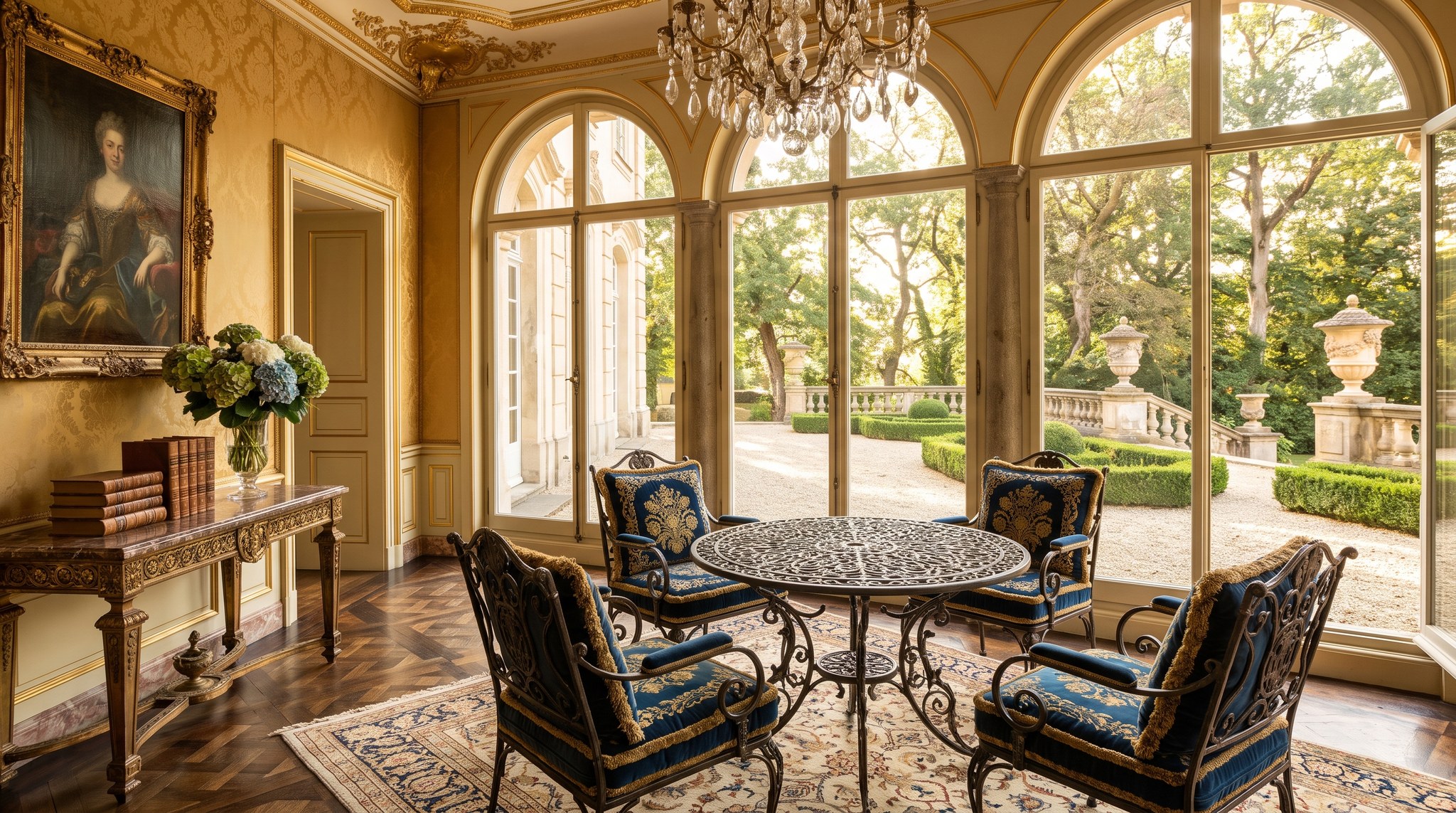
Metal furniture made of aluminium, stainless steel or powder-coated steel is easy to maintain and weather-resistant. It withstands rain, sun and frost without swelling or warping. Aluminium is lightweight and does not rust, stainless steel is particularly stable, and coated steel offers many colour options. Metal suits modern gardens, clean lines and minimalist designs. It is suitable for fully sunny locations, but can become hot in direct sunlight. Seat cushions or pads provide a remedy.
Location and climate: what works where
In rainy regions or shady gardens, metal has the advantage because it does not absorb moisture and dries quickly. Wood tends to develop moss in permanently damp locations and requires more frequent cleaning. In dry, sunny climates, wood lasts longer but needs UV protection through oil or glaze. Metal remains dimensionally stable but can heat up considerably. For windy locations, heavy metal constructions or solid hardwood are more suitable than lightweight aluminium chairs that can tip over in storms.
Maintenance and effort compared
Wooden furniture should be treated with wood oil once or twice a year to maintain colour and protection. Stains can be sanded off, cracks can be repaired. Metal usually requires only a damp cloth; for stainless steel, a special cleaner occasionally helps against fingerprints. You should check powder coatings for scratches to prevent rust formation. Overall, metal is easier to maintain, while wood offers more options for refreshing and repair.
Combination and style: coordinating material and furnishing
You do not have to choose one material. Many Garden Furniture pieces combine metal frames with wooden tops or wooden slats on steel frames. Such mixed forms unite the advantages of both materials: stability and ease of maintenance of metal with the warmth and feel of wood. Make sure the style matches your house and garden. Country house and Baroque harmonise with dark wood, modern architecture suits clear metal forms.
Guidelines for durability and investment
High-quality teak furniture lasts 15 to 25 years, aluminium and stainless steel often longer. Inexpensive pine furniture reaches about 5 to 8 years without protection, coated steel lasts 10 to 15 years with an intact surface. The purchase costs for metal are often slightly higher, but long-term maintenance costs are eliminated. Wood is more variable in purchase price but requires regular aftercare. If you value a wide selection of styles and materials, you will find suitable solutions for every taste and location at Garden Furniture, Stoves and Decoration.
Related items: Garden Fountains, Chairs, Display Cabinets. baroque mirrors. The complete range: Baroque furniture.
Related categories: Garden Fountains, Chairs, Display Cabinets. The full range: Baroque Furniture.
Read more: Which Fountain Suits My Front Garden?, Sideboard on a Long Wall: How Wide It May Be, Ceiling Height and Furniture Height: When a Room Tips Over, Wrought Iron in the Garden: Stability, Care and Rust Formation, How to Combine Side Tables: Height, Distance, Material