

Illuminating Display Cabinets: Which Light Showcases Glass and Porcelain
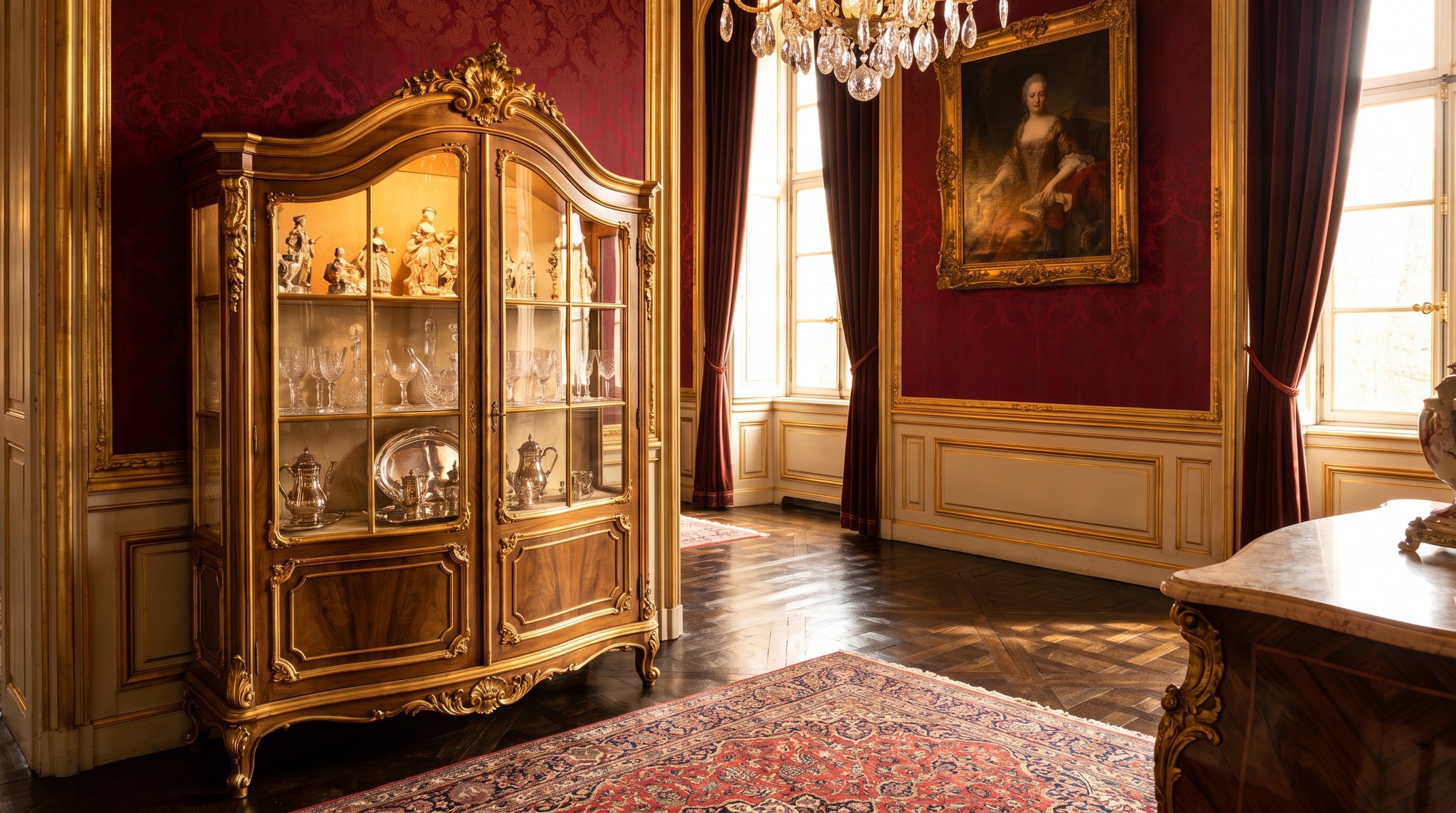
You have a beautiful display cabinet and want to showcase your porcelain, crystal glass or collection properly. But which lighting makes the objects shine without glare or casting shadows? The right light source determines whether your exhibits make an impact or disappear in the cabinet. This article shows you which lamps, colour temperatures and positions are suitable for glass, porcelain and other collectibles.
LED Strips or Spotlights: Which Light Source Suits the Display Cabinet
For illuminating Display Cabinets, LED strips and small LED spotlights are the main options. LED strips can be discreetly attached to the ceiling or sides of the cabinet and create uniform, even light. They are particularly suitable for wide cabinets with multiple shelves, as they can illuminate each level. LED spotlights, on the other hand, highlight individual objects specifically and create accents. They are usually directed from above or at a slight angle and emphasise special pieces. Both variants are available in warm white and neutral white light colours.
Colour Temperature: Warm White or Neutral White for Glass and Porcelain
Colour temperature is measured in Kelvin and significantly influences the effect of your exhibits. Warm white light with 2700 to 3000 Kelvin gives porcelain, wood and antique objects a cosy, elegant atmosphere. It emphasises warm tones and suits classic interiors well. Neutral white light with 4000 to 4500 Kelvin appears more objective and makes crystal glass, silver and modern ceramics appear clearer. It shows colours true to life and is suitable for collections where details and contrasts matter. For most living spaces, warm white light is recommended as it blends more harmoniously with the room lighting.
Light Position: From Above, Below or From the Side
The position of the light source determines how shadows fall and how three-dimensional your objects appear. Lighting from above is the most common solution: it makes porcelain and glass appear natural and avoids harsh shadows. LED strips are attached to the underside of the cabinet top or to the upper edge of each shelf. Side lighting emphasises contours and glass structures but can cast unwanted shadows on the back wall. Lighting from below through glass shelves creates a dramatic effect but is only suitable for transparent objects such as crystal glass. If in doubt, combine two light sources to achieve balanced illumination.
Brightness and Glare: How Many Lumens the Display Cabinet Needs
Brightness is measured in lumens. For a standard display cabinet with 100 to 120 centimetres width, 200 to 400 lumens per shelf are sufficient. Light that is too bright causes glare and makes objects appear flat, light that is too weak obscures details. Ensure that the light source is not directly visible when you stand in front of the cabinet. LED strips should be hidden behind a panel or edge, spotlights should be aligned so that they shine on the objects and not into your eyes. Dimmable LED lamps offer you the flexibility to adjust the brightness depending on the time of day and occasion.
Materials and Reflections: Illuminating Glass, Porcelain and Metal Correctly
Different materials react differently to light. Glass and crystal reflect and refract light, which is why indirect lighting or multiple light sources emphasise their structure. Porcelain and ceramics benefit from diffuse light that illuminates the surface evenly. Metal and silver can cause strong glare with too direct light, here slightly lateral or diffused light direction is recommended. Dark objects require more light than bright ones to become visible. If you combine different materials in one cabinet, you should experiment with the light position until all pieces are well displayed.
Power Supply and Installation: Practical Notes for Mounting
LED strips and spotlights require a power source. Many display cabinets already offer prepared connections or drill holes for cables. If not, you can use battery-operated LED strips that can be attached without wiring. When choosing lamps, pay attention to low heat generation so that sensitive Decorations is not damaged. LED technology is ideal here as it emits hardly any heat. Attach LED strips to the inside of the cabinet with double-sided adhesive tape or special clips. When mounting spotlights, ensure that the cables are neatly laid and not visible. A transformer or power supply is usually placed outside the cabinet.
Related items: Sideboards, Sculptures, Sofas. baroque mirrors. The complete range: Baroque furniture.
Related categories: Sideboards, Sculptures, Sofas. The full range: Baroque Furniture.
Read more: Dining Table in the Kitchen: When Round, When Rectangular, Console in the Entrance Area: Decoration and Storage Space Used Optimally, Baroque, Art Nouveau, Chesterfield: how to recognise the styles, Marble in Living Spaces: Which Slab Can Withstand What, Designing the Garden Like a Room: Zones, Sight Lines and Proportions