

Mirror opposite the window: how much light this really provides
You want to make a dark room appear brighter and are considering whether a mirror opposite the window is the solution. The idea sounds logical: daylight hits the mirror surface and is reflected back into the room. But how strong is this effect actually? And which factors determine whether the installation is worthwhile? Here you will learn what you can realistically expect and what matters when it comes to placement.
How much brightness a mirror actually reflects
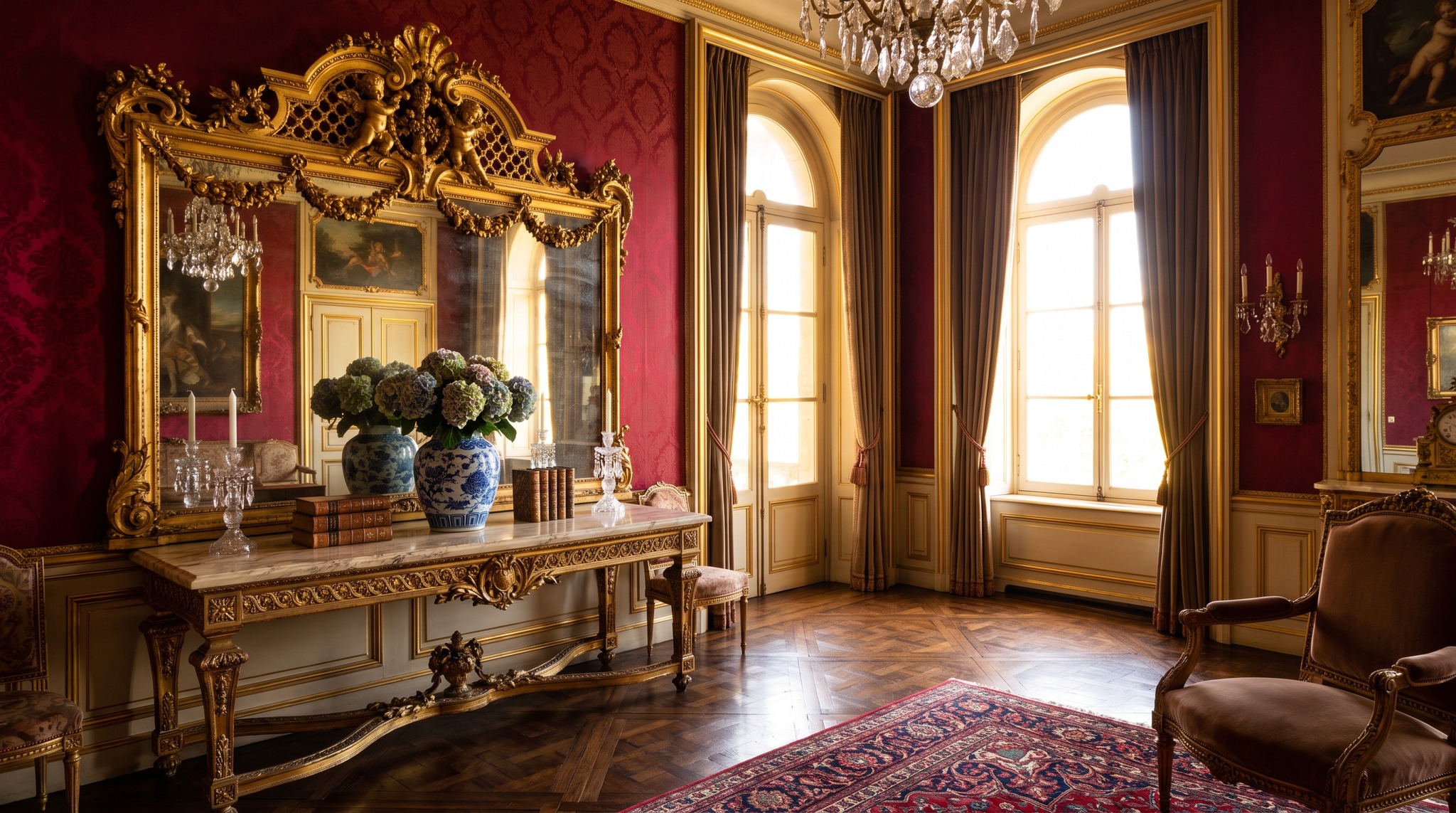
A standard wall mirror reflects about 80 to 90 percent of the incident light. This means: when the sun is low and shines directly through the window onto the mirror, a noticeable brightness gain occurs in the room. On cloudy days or with indirect light, the effect is significantly weaker but remains measurable. The difference is less dramatic than an additional light source, but noticeably more than without a mirror.
Optimal size and distance from the window
The effect depends heavily on the mirror surface. A model with at least 80 by 100 centimetres captures enough light to make a difference. Smaller formats work more decoratively than functionally. The distance from the window wall should be between 1.5 and 3 metres: closer and the light becomes too concentrated, further away it disperses too diffusely. Make sure the mirror does not hang too high, but at eye level or slightly below, so that the reflected light falls into the used area.
Which rooms benefit most
The method is particularly effective in hallways, entrance areas and rooms with only one window on the north side. Where natural light is scarce, every additional reflection makes a difference. In rooms with large south-facing windows or multiple light sources, the effect remains minimal. Wall colour also plays a role: light, matte surfaces enhance light distribution, dark walls absorb the reflected light again.
Avoiding glare and unwanted reflections
A mirror opposite the window can cause glare when the sun is low, especially in work or dining areas. Test the position beforehand with a provisionally leaned mirror at different times of day. If you experience glare, a slight tilt of the mirror surface upwards or downwards helps, or you choose a location offset to the side of the window. Selecting Mirrors with slightly tinted or antique-treated glass also reduces harsh reflections without significantly diminishing brightness.
Combination with additional light sources
A mirror alone does not replace a lamp, but it complements existing light sensibly. Combine it with light textiles, reflective surfaces and strategically placed luminaires. Floor lamps or wall lights next to the mirror enhance the effect in the evening. The rest of the Decorations should also not block light: avoid heavy curtains directly in front of the window and opt for transparent or light fabrics that let daylight through.
When the investment is worthwhile
If you live in an old building with small windows or in a flat with unfavourable orientation, a large wall mirror opposite the window provides noticeably more brightness. In modern new buildings with floor-to-ceiling windows, the benefit remains limited. Realistically, you gain about 10 to 20 percent additional brightness on sunny days, less on overcast days. This is rarely enough to completely transform a room, but often enough to make it appear friendlier and more open.
Related items: Columns and Pedestals, Armchairs, Sideboards. baroque mirrors. The complete range: Baroque furniture.
Related categories: Columns and Pedestals, Armchairs, Sideboards. The full range: Baroque Furniture.
Read more: Seat Height, Seat Depth, Armrest: Why a Chair Is Comfortable, Furniture on Old Floorboards: What Wobbles and What Helps, Baroque, Art Nouveau, Chesterfield: how to recognise the styles, Marble in Living Spaces: Which Slab Can Withstand What, Designing the Garden Like a Room: Zones, Sight Lines and Proportions