

Resin Sculpture: Which Weight on Which Balcony
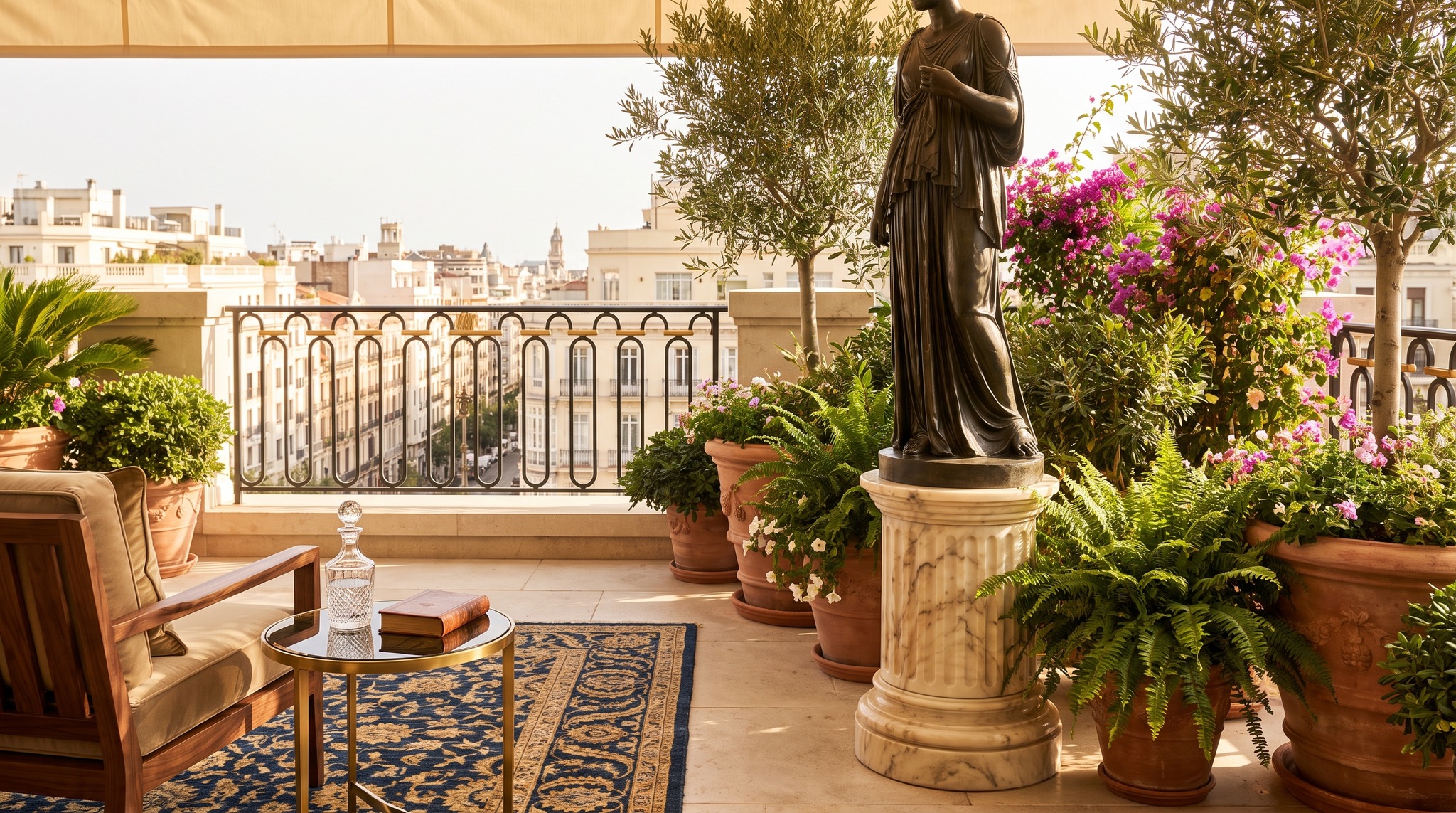
You would like to enhance your balcony with a decorative resin sculpture, but are unsure whether the structure can support the additional weight? This question is justified, as every balcony has a maximum load capacity that should not be exceeded. How heavy a resin sculpture actually is, what load-bearing capacity your balcony should have, and what you need to consider when positioning it are explained in this guide. This way you avoid damage and enjoy your new decoration with peace of mind.
Typical Weight of Resin Sculptures
Resin, often reinforced with fibreglass, is considerably lighter than stone or bronze. A life-size figure of approximately 150 to 180 centimetres in height typically weighs between 15 and 40 kilograms, depending on wall thickness and reinforcement. Smaller decorative figures up to 80 centimetres in height usually weigh 5 to 15 kilograms. For comparison: a comparable stone sculpture would weigh three to five times as much. If you choose Resin and Fiberglass Sculptures, you benefit from a significantly lower weight whilst maintaining high stability.
Load Capacity of Balconies: Reference Values and Standards
The permissible live load of a balcony is specified in kilograms per square metre. In Germany, the minimum load for balconies and terraces in residential buildings according to DIN standards is 400 kilograms per square metre. Older buildings may have different values, often between 300 and 500 kilograms per square metre. A typical balcony of 6 square metres may therefore be loaded with at least 2,400 kilograms. This live load is to be understood as a total load and includes furniture, plants, persons and decoration. A single sculpture of 30 kilograms therefore usually presents no problem, provided the total load remains within limits.
Consider Weight Distribution
What matters is not only the total weight, but also its distribution. Heavy objects should be placed as close as possible to the house wall, where the load-bearing capacity is highest. Avoid concentrating several heavy objects in a small area. A 40 kilogram sculpture on a base area of 0.2 square metres creates a point load of 200 kilograms per square metre, which is not critical. Additionally distribute planters and furniture evenly across the balcony surface.
When You Should Have the Structure Inspected
For older buildings constructed before 1960, visible cracks in the balcony floor or sagging balcony slabs, you should consult a structural engineer before installing larger Sculptures. A professional assessment may also be advisable for balconies of lightweight construction or extensions. If you wish to combine several heavy objects, such as large planters with soil plus sculpture plus furniture, add up the weights and calculate an additional 80 kilograms per person on the balcony.
Practical Tips for Safe Installation
Place the sculpture on a non-slip surface to avoid scratches on the flooring. In windy conditions, tall, slender figures should be additionally secured, for example by bolting the base plate or by adding weight to the plinth. Check the stability regularly, especially after storms or heavy rain. A well-placed resin sculpture enhances your balcony visually without endangering the structure, provided you observe the reference values mentioned.
Related products: Garden Decoration, Garden Furniture, Baroque and Art Nouveau Garden Furniture. baroque mirrors. The complete range: Baroque Furniture.
Related categories: Garden Decoration, Garden Furniture, Baroque and Art Nouveau Garden Furniture. The full range: Baroque Furniture.
Read more: Oval Dining Table: Which Length Is Suitable for How Many People, Marble Coffee Table: What Weight the Floor Must Support, Garden furniture made of metal or wood: what works best where, Dining Table in the Kitchen: When Round, When Rectangular, Furniture in Period Buildings: Stucco, High Skirting Boards and Sloped Ceilings