

Bronze Sculptures for Hotels, Parks and Private Estates
Bronze sculptures for hotels give a place a lasting identity. A pair of lions at the driveway, a fountain figure in the courtyard of a villa, a life-size figure at the end of a garden axis: bronze stands for decades in rain, frost and sun, and grows more expressive with age. Casa Padrino supplies bronze figures from its collection and makes custom pieces on request, in the size, patina and quantity your project requires.
This page is written for hotels, developers, architects and landscape designers: casting and patina, formats for lobby, park and water feature, plinth and foundation, care, and the process from first drawing to delivery.
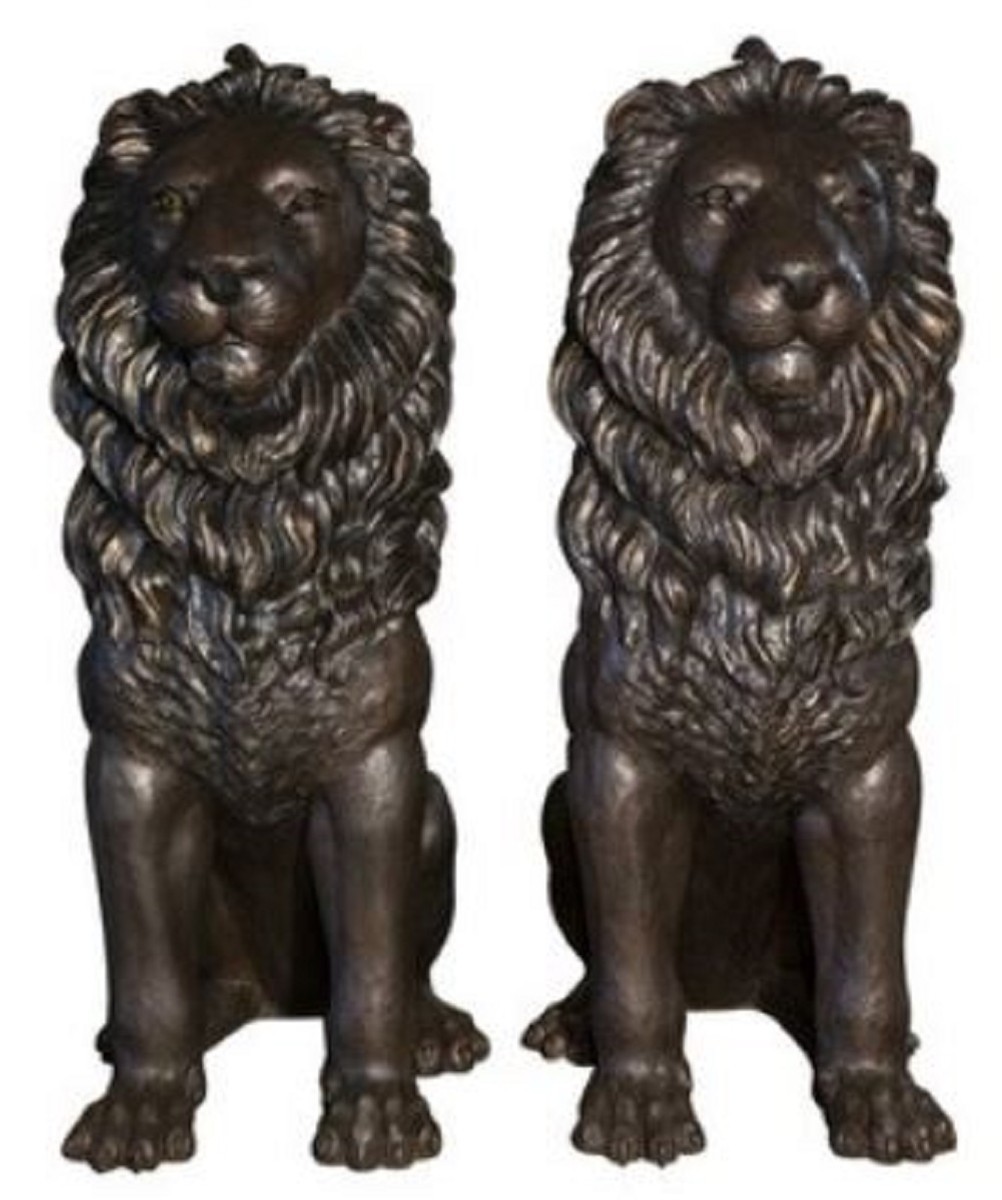
Two seated bronze lions, 206 cm high, frame a portal or a driveway. Pictured: Casa Padrino luxury garden decoration bronze sculpture set lions H. 206 cm
Why bronze: casting, wall thickness and weight
Bronze is an alloy of copper and tin, often with small amounts of other metals. For sculpture it combines three qualities no other material offers together. In its molten state it flows into the finest detail, once cooled it is tough and resistant to breakage, and instead of corroding destructively it forms a protective surface layer in the open air.
Large bronze figures are traditionally made by lost-wax casting. A mould is taken from the model and lined with wax, the wax is melted out of a heat-resistant shell and replaced by molten bronze. Figures above roughly half a metre are cast in several sections, welded together, the seams chased and the surface refined. The casting is hollow, with walls a few millimetres thick. This keeps the weight manageable, yet a life-size figure is still moved with lifting gear or several people. We state the exact weight in the quotation so that structural design and transport can be planned early.
Choosing a patina and how it ages
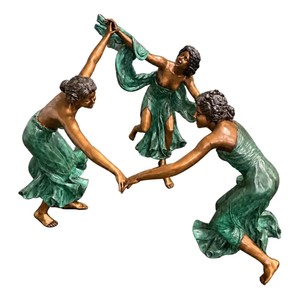
Freshly cast bronze is pale and golden. A sculpture receives its colour through the patina, applied to the surface with heat and chemical solutions and then sealed with wax. Common finishes are a deep brown close to black, a warm mid brown with highlighted edges, a green to turquoise tone reminiscent of old fountain statues, and two-tone combinations, for example green drapery with brown skin and hair.
The right choice depends on the setting. Against a pale facade or light natural stone, a dark patina reads clearly. Among planting, a warm brown stands out better than a green that merges with the foliage. Near water, greenish tones work well because they anticipate the look of aged bronze.
Outdoors every patina evolves. Rain, air and sunlight make the surface more matt and even over the years, and green zones appear where water runs. This is not a defect but the natural protection of the metal. To keep the original tone, maintain it with wax. For projects with several figures we recommend agreeing the patina on a sample, and sampling is available on request.
Scale and presence in the space
The size of a sculpture follows from the room and the viewing distance. As a rule of thumb, a viewer needs about twice the height of the figure as distance to take it in completely. In a hotel lobby with a clear height of four metres, a figure of 160 to 200 cm on a plinth of 40 to 80 cm holds the space. In a park or along a driveway, anything below life size loses its presence quickly, and a sensible format starts at around two metres overall, plinth included.
- Hotel entrance and driveway: guardian figures in pairs, such as lions, placed symmetrically either side of the portal.
- Lobby and atrium: one large figure as a focal point, with space to walk around it and light from above at an angle.
- Reception, bar and suites: smaller bronzes of 30 to 60 cm on a counter, console or pedestal.
- Parks, garden axes and estates: life-size figures and groups at the end of paths and sightlines.
- Pools, ponds and fountains: water-carrying figures and spouts, matched to basin and technical equipment.
Animal sculptures, figures and busts in bronze
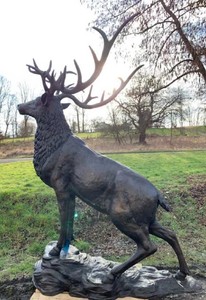
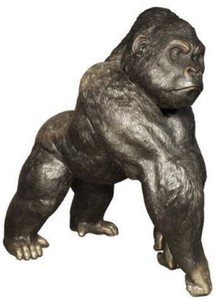
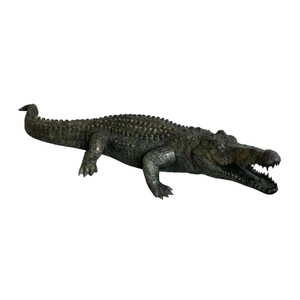
The range of bronze figures extends from small abstract pieces for reception desks and offices to large figure groups for parks and gardens. Animal sculptures have the longest tradition in hospitality: lions as guardians at the entrance, along with deer, dogs, birds and dolphins for gardens, courtyards and ponds. A pair of lions 206 cm high is a classic choice for hotel portals and estate gateways. Our guide to the lion sculpture explains the motifs and sizes that work best.
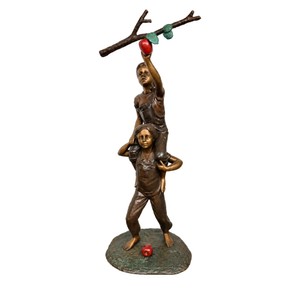
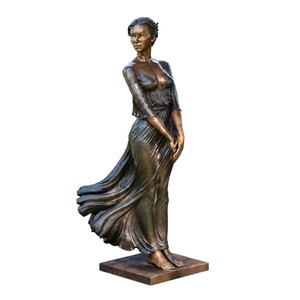
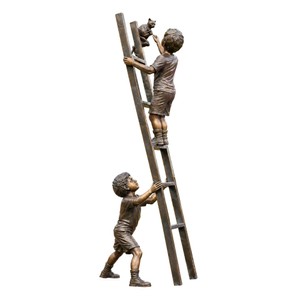
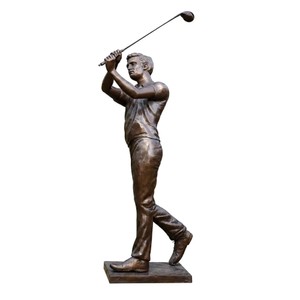
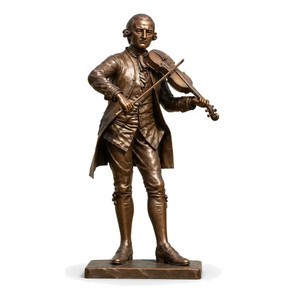
Figurative bronzes tell a story: children on a ladder 240 cm high, a golfer at 220 cm, dancing couples, figures reading on a bench, or life-size female figures for entrances and gardens. Busts and portraits are made to measure from photographs or drawings, as are heraldic animals, emblems and figures with a link to the property. Before casting you receive intermediate stages for approval. Further pieces in other materials are collected under figures and statues.
Bronze for fountains, pools and water features
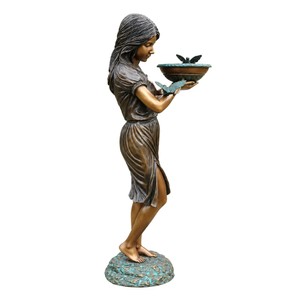
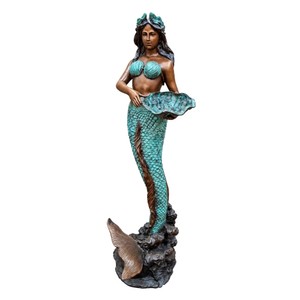
Bronze shows its strength at the water's edge. It tolerates permanent moisture, and a fountain figure can carry a pipe inside so that water flows from a shell, a jug or an animal's mouth. The options include water spouts, figures holding an overflow basin, mermaids, dolphins and sculptures for pools and ponds.
Three points matter in planning. First the equipment: pump, pipework, filter and frost drainage are specified by the planner or installer, and we provide the position and diameter of the connection on the figure. Second the water: hard water leaves white deposits, so a filter and regular wiping keep the patina clean. Third the winter: in frost-prone locations the fountain is drained, while the figure stays in place. Complete fountains are shown on the page for garden fountains.
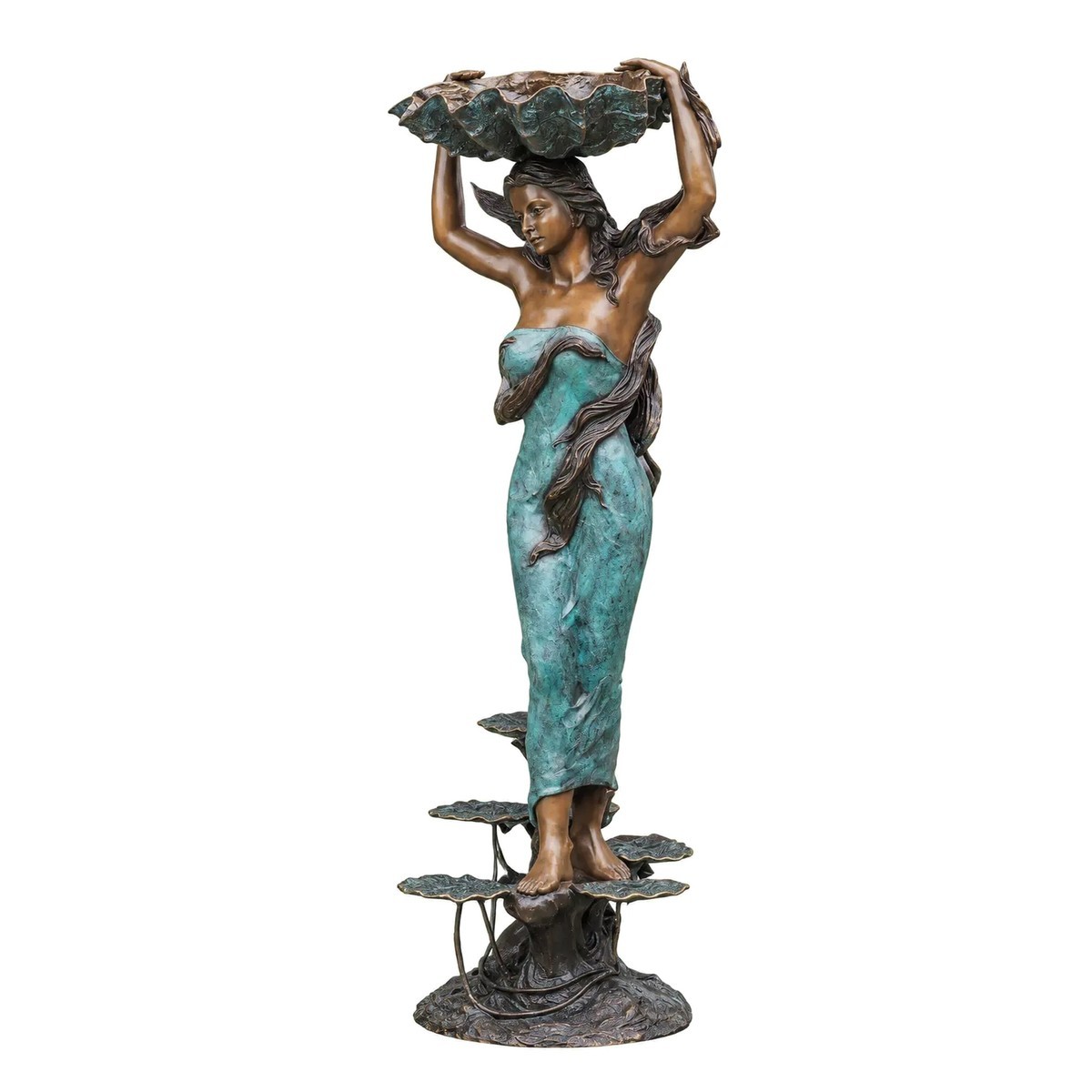
This fountain figure, 200 cm high, combines a turquoise and brown patina and carries the water in its shell. Pictured: Casa Padrino XXL Bronze Sculpture Woman Holding a Shell Overhead Turquoise / Bronze 70 x 75 x H. 200 cm
Plinths, anchoring and installation
A large bronze never stands loose. Threaded studs or anchor plates are set into its base and connect it to the plinth, which is usually made of natural stone, clad concrete or metal. The height of the plinth defines the effect: a low one brings the figure close to the viewer, a tall one lifts it above head height and makes it visible from afar.
The foundation beneath the plinth is designed by the planner on site, who knows the ground, frost depth, wind load and any structural requirements. We supply the weight, footprint, centre of gravity and anchor positions. Large figures need vehicle access, lifting equipment and an agreed delivery date. Indoors, the planner also checks the floor load.
Care indoors and outdoors
Bronze needs little care, but the right care. Indoors it is enough to remove dust with a soft cloth or brush and refresh the surface with clear microcrystalline wax every one or two years. Outdoors, clean the figure once or twice a year with clear water and a soft sponge, then apply a thin coat of wax once it is dry and buff it.
Avoid metal polish, abrasives, acids and pressure washers, as they remove the patina. Bird droppings and leaves should not be left for long. Damaged patina can be restored by a specialist.
For architects and designers
Sculpture belongs in the design, not at the end of it, so we welcome early involvement with architects, interior designers and landscape architects.
- Dimensions and drawings: width, depth, height, weight and anchor positions for every figure, plus a sketch for approval on custom pieces.
- Sampling: patina samples and, where useful, sample pieces on request, so the colour suits the facade or stone.
- Quantities: identical figures for several locations or hotels within a group, in a consistent patina.
- Scheduling: delivery timed to the construction programme, so the figure arrives when foundation and plinth are ready.
- One point of contact: from first enquiry to delivery, including furniture, lighting and decoration for the same project.
How we work with design practices is described on the page for architects and dealers. Our hotel references show furnished projects, and the article on furnishing lobbies and foyers puts sculpture in the context of the whole interior.
The process in five steps
- Enquiry with dimensions and plans: tell us the location, desired height, motif and quantity, ideally with a floor plan, photos or site plan.
- Selection and sampling: we propose figures from the collection or a custom piece and agree patina and plinth.
- Quotation: you receive a quotation based on your project, with dimensions, weight, production time and delivery route.
- Production: for custom pieces you approve model and patina, followed by casting, chasing and patination.
- Delivery: the figure travels secured by freight forwarder, worldwide, to your site on the agreed date.
Frequently asked questions about bronze sculptures
Can bronze sculptures stay outdoors all year?
Yes. Bronze withstands rain, frost and sun. Over the years the surface forms a natural protective layer and the patina changes slightly. Waxing once or twice a year keeps the tone for a long time.
Does Casa Padrino make custom bronze sculptures?
Yes, on request. Size, motif, patina and plinth are defined for your project, including busts, heraldic animals and figures related to the property. You approve intermediate stages before casting.
How heavy is a large bronze sculpture?
It depends on size, form and wall thickness. Large figures are cast hollow but weigh from several dozen to several hundred kilograms. The exact weight is stated in the quotation.
Which patina suits a garden or park?
Against greenery, warm or dark brown reads most clearly, and greenish tones suit water features. Every patina changes outdoors over time, so sampling is advisable for projects with several figures.
Who designs the foundation?
The architect, structural engineer or landscape planner on site, because ground conditions, frost depth and wind load are only known there. We supply weight, footprint and anchor positions.
Can a bronze figure be used in a fountain?
Yes. Fountain figures and water spouts have an internal pipe connected to pump and supply line. The installer specifies the water system, and we state the position and size of the connection.
How do I care for a bronze sculpture?
Indoors, dust it and apply clear wax occasionally. Outdoors, wash it with clear water once or twice a year and wax it. Metal polish, acids and pressure washers should not be used.
Does Casa Padrino deliver internationally?
Yes, Casa Padrino delivers worldwide by freight forwarder, with the delivery date matched to your construction schedule.
Request your bronze project
Send us the location, desired size, motif and quantity, with plans or photos if available. You will receive a selection and a quotation based on your project.
Email: info@casa-padrino.de · Phone: +49 212 14912917
More trades for your project
- Sculptures for hotels and gardens
- Marble works
- Marble fireplace surrounds
- Fireplaces for hotels
- Marble columns
- Bathtubs for hotel bathrooms
- Consoles and side tables
- Garden furniture for hotels and resorts
Venues and sectors
- Hotel Room Furniture
- Hotel Sofas and Hotel Armchairs for Lobbies
- Bar Counter for Hospitality
- Lounge and Club Furniture for Bars and VIP
- Executive Office Furniture
- Beauty Salon Furniture
- Wedding Throne Chair
- Window Display Decoration for Malls and Retail
- Life-Size Fiberglass Statues for Theme Parks
- Christmas Market Decorations