


Clawfoot Bathtubs: Cast Iron, Copper and Freestanding Baths
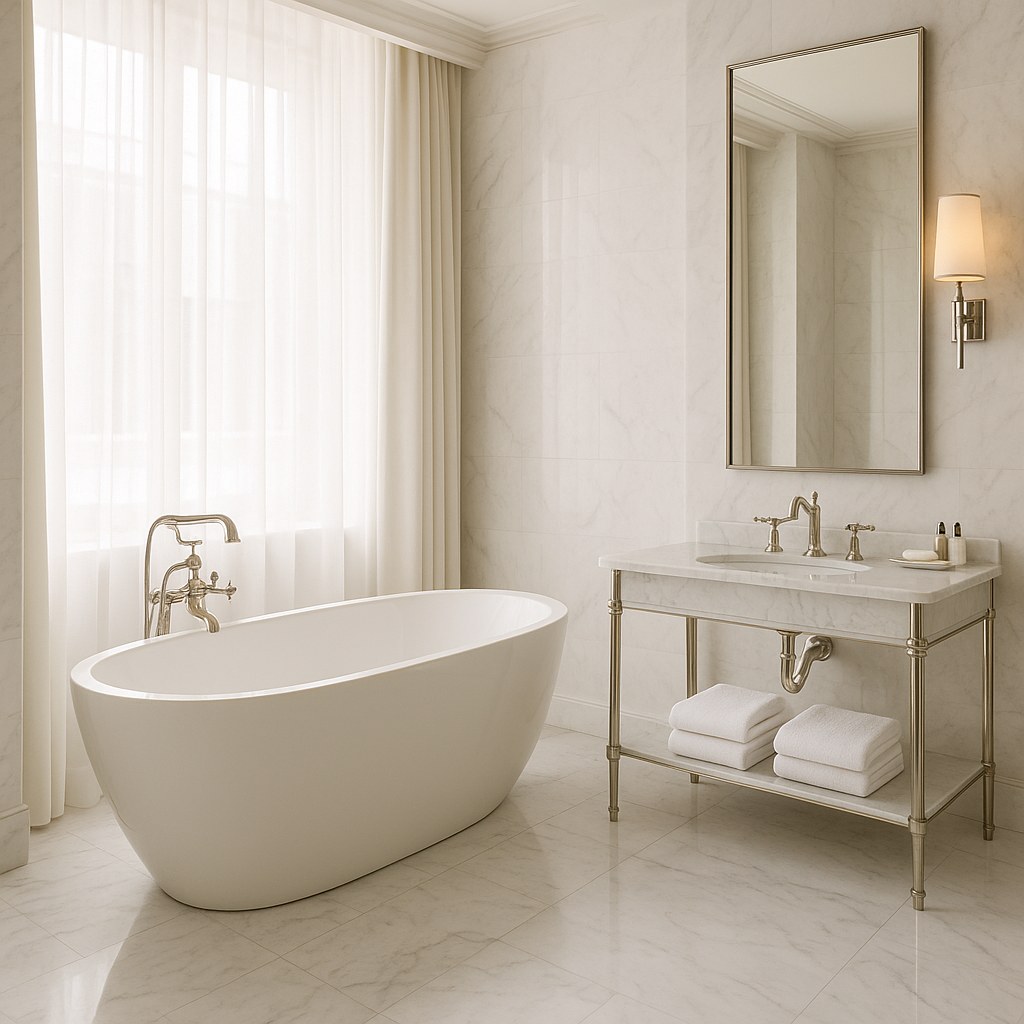
A clawfoot bathtub is the only piece of sanitary ware that is bought the way furniture is bought. It stands clear of the wall, it is seen from all four sides, and it sets the shape of the bathroom around it instead of fitting into a niche somebody else planned. Casa Padrino, one of the leading international specialists for luxury furniture, supplies freestanding baths in enamelled cast iron, hammered copper and cast mineral composite, with around ninety-six models in the English catalogue, delivered worldwide.
This page begins with the material and with the floor underneath it, because those two decide more about a freestanding bath than the silhouette does.
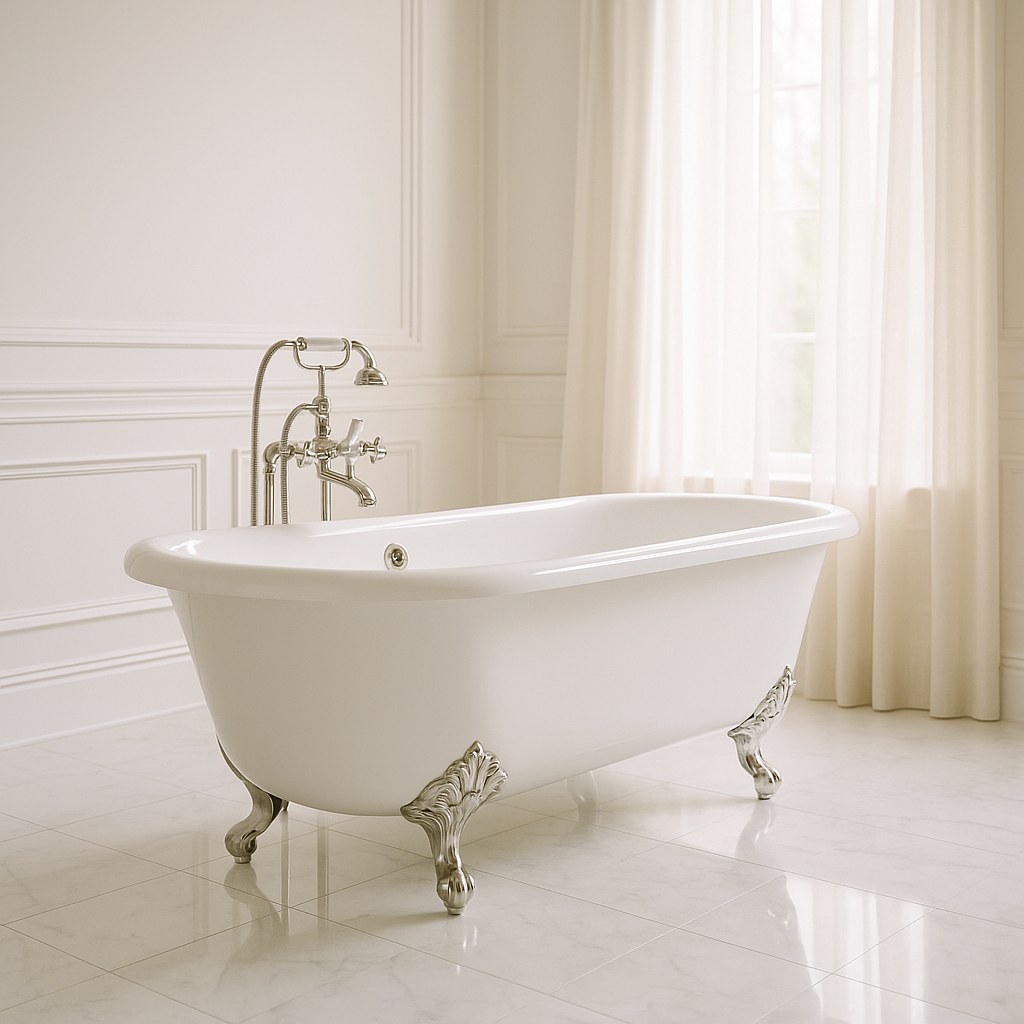
Where the clawfoot bathtub comes from
The clawfoot bath belongs to the nineteenth century and to two things that arrived almost together: affordable cast iron and piped water. Before that, bathing at home meant a portable tub of wood, tinned copper or zinc, filled and emptied by hand.
Cast iron changed the object completely. A bath cast in one piece was rigid and permanent, and the inside could be finished with porcelain enamel, a glass frit fused to the metal at high heat, which gave a hard white surface that could be cleaned. Bonding that enamel reliably to so large a casting was solved commercially in the 1880s, and the bathtub stopped being the privilege of a few houses.
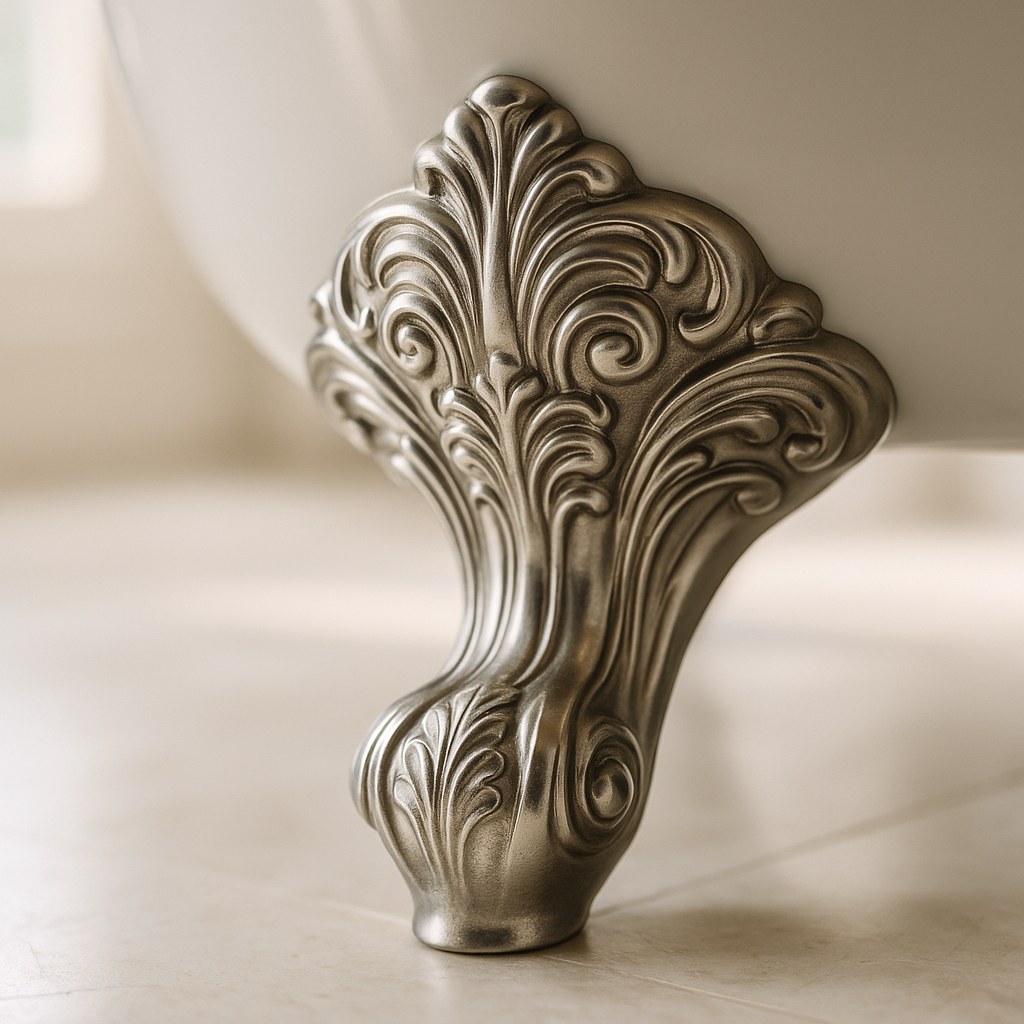
The feet carry an argument of their own. A bath raised on feet stands clear of the floor, so nothing collects beneath it and the floor can be washed under and around the tub, which was a hygiene requirement long before it became a style. The ball and claw motif is older than plumbing: it entered European cabinetmaking in the eighteenth century from Chinese models of a dragon claw closed around a pearl.
The shape has returned for the reason it once vanished: the bathroom has stopped being a technical room, and where there is space the bath moves back into the middle of it.
Cast iron, copper and mineral cast: what the material decides
Enamelled cast iron is the original and still the reference. Its virtue is thermal mass: iron warms slowly and then gives that warmth back, so the water stays comfortable far longer than in a thin moulded shell. The enamel is glass fused to the metal, not a coating on top, so it keeps its gloss and does not stain or yellow. The price is weight, commonly 100 to 150 kg before a drop of water goes in, and brittleness at the rim, where a dropped bottle can chip the enamel. A chip should be repaired promptly, because the iron underneath will rust.
Copper is the older material and behaves in the opposite way. It conducts heat superbly, so the shell takes the temperature of the water within moments and the tub itself becomes warm to the touch. Copper baths are raised by hand from sheet over a form, so the surface keeps the hammer marks, and they are light for their size, typically 40 to 80 kg empty. Copper also lives: left unlacquered it darkens over months into a deep brown, while a lacquered finish holds the tone it was delivered in. Our Art Nouveau copper baths at 170 cm belong here.
Mineral cast, also described as cast stone or solid surface, is mineral powder, usually quartz or marble, bound in resin and cast in a mould. It sits between the other two: warm to the touch straight away, better at holding heat than a hollow shell, and capable of shapes cast iron cannot manage. Because the material is solid rather than coated, a scratch can be sanded and polished out on site. Our freestanding luxury bath in high gloss white at 205 cm, made in Italy, is of this type, and at that length it is a bath for two.
The choice is largely between heat retention and weight: cast iron where the structure allows it, copper where the floor is uncertain, mineral cast where the design is modern and generously sized.
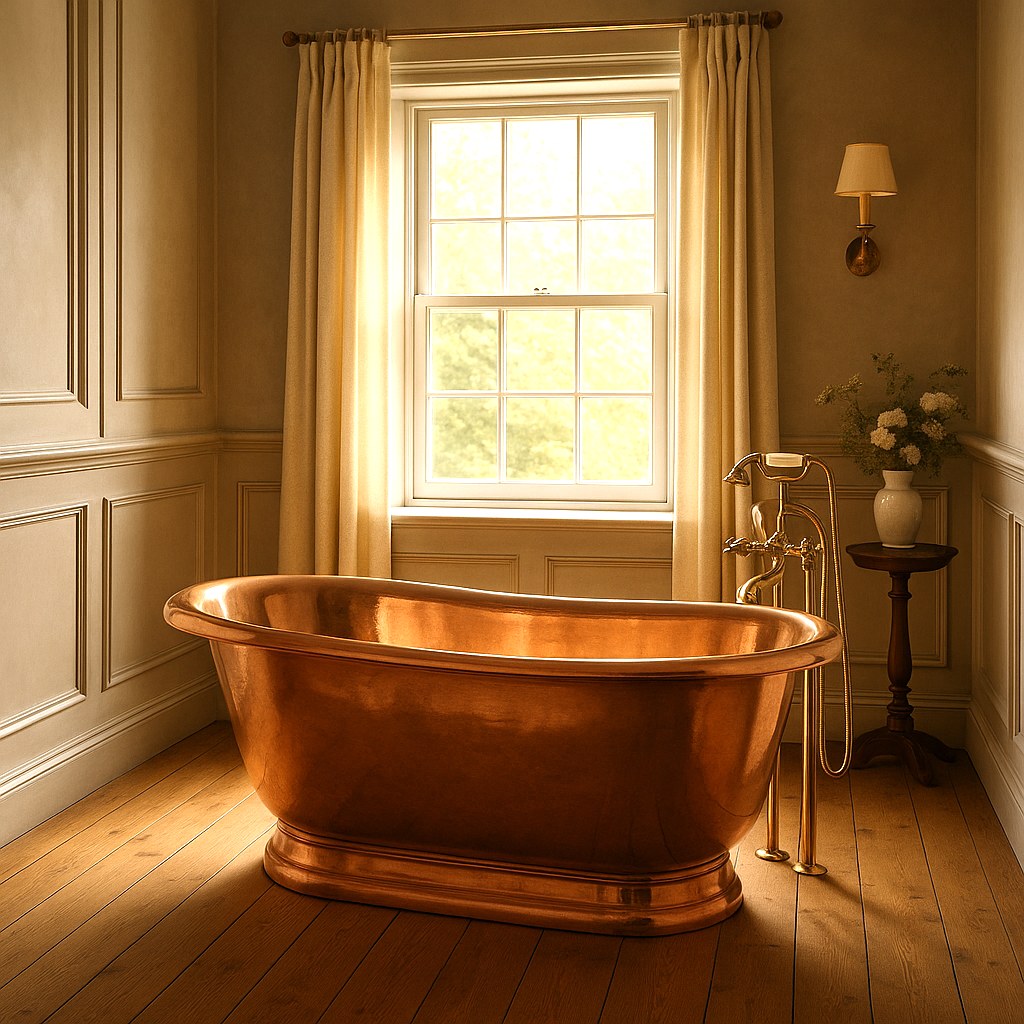
Claw feet, plinths and baths without feet
The base changes the character of a freestanding bath more than any other detail.
- Claw feet. Four separate cast feet, usually a ball held in a claw, sometimes a stylised paw or a plain scroll. The tub floats above the floor, which stays washable underneath. Feet are often finished to contrast with the body, white enamel above polished or antique gold. They also concentrate the entire load onto four small contact areas, which is the point the next section returns to.
- Plinth and pedestal bases. A continuous skirt or a low socle carries the tub to the floor. This is the calmer, more architectural option, it conceals the underside, and it spreads the weight over a far larger footprint.
- Freestanding without feet. The modern reading, where the shell meets the floor in one line. Slipper and double ended forms in mineral cast are usually built this way. Nothing interrupts the outline, but the floor beneath is inaccessible and the drain has to be planned exactly.
Roll top, slipper and double ended describe the body rather than the base: a curled rim, a raised end for reclining, a waste set in the middle. Any of the three can appear on claw feet, on a plinth or flat to the floor.
Floor loading, measurements and access
Start with the floor, not with the tub. This is the first question and the most important one. Work the load out honestly. A cast iron bath of 170 cm weighs roughly 100 to 150 kg empty. Filled to the overflow it holds something in the order of 180 to 250 litres, and every litre is a kilogram. Add one or two bathers at 70 to 90 kg each. The total sits between 400 and well over 500 kg, and on claw feet that load reaches the structure through four contact patches the size of a coffee cup.
On a concrete slab this is normally of no concern. In a period building with a timber joist floor it certainly is. Domestic floors are generally designed for a distributed live load in the region of 1.5 to 2.0 kilonewtons per square metre, a figure for people and furniture spread out, not for half a tonne concentrated on four points. Before ordering a cast iron bath for an upper storey of an older house, have the floor assessed by a structural engineer or a competent builder. The remedies are straightforward: set the tub across the joists rather than along one, place it near a supporting wall rather than mid span, double a joist beneath, or spread the load with a plate under the feet. If none of that is possible, the answer is a copper or mineral cast bath at a third of the weight.
Space around the tub. Leave at least 15 cm between the tub and any wall, and 20 cm is better, otherwise the outside cannot be cleaned. On the side used for getting in and out, plan on 90 to 100 cm of clear floor, and allow a freestanding tap its own zone of roughly 20 to 25 cm.
Internal length is not external length. A bath quoted at 170 cm gives noticeably less bathing length inside, because the walls are thick and the ends curve. Anyone over about 185 cm tall should look at 180 cm models and upwards, and the 205 cm formats are comfortable for two.
Getting it into the room. A bath cannot be dismantled, so measure the narrowest point of the whole route: the front door, every turn on the stairs, the lift car and the bathroom door. The tub travels tipped on its side, so its width has to pass a doorway and the diagonal of the crate has to pass a turn. Cast iron needs three or four people or proper lifting straps.
Taps, waste and water supply
A freestanding bath moves the plumbing away from the wall, and that has to be decided before tiling, not after.
Freestanding floor mounted taps rise from the floor beside the tub on their own standpipes. They let the tub stand anywhere in the room, but the supply pipes must be in position and pressure tested before the screed goes down. Rim mounted taps sit on the tub itself and need a model supplied with tap holes drilled at one end, which many traditional cast iron baths have. Wall mounted taps work when the bath stands close to a wall, and the critical figure is the projection of the spout: it must deliver water inside the tub, not against the outside of it.
The waste is the second decision. A freestanding bath drains downwards through the floor, so the trap has to fit within the floor build up. In a solid floor that means an opening planned in advance; in a timber floor the pipe runs between the joists and never through one cut for the purpose. Check the hot water system as well: a large bath can take 180 litres or more, which a cylinder sized for showers may not deliver.
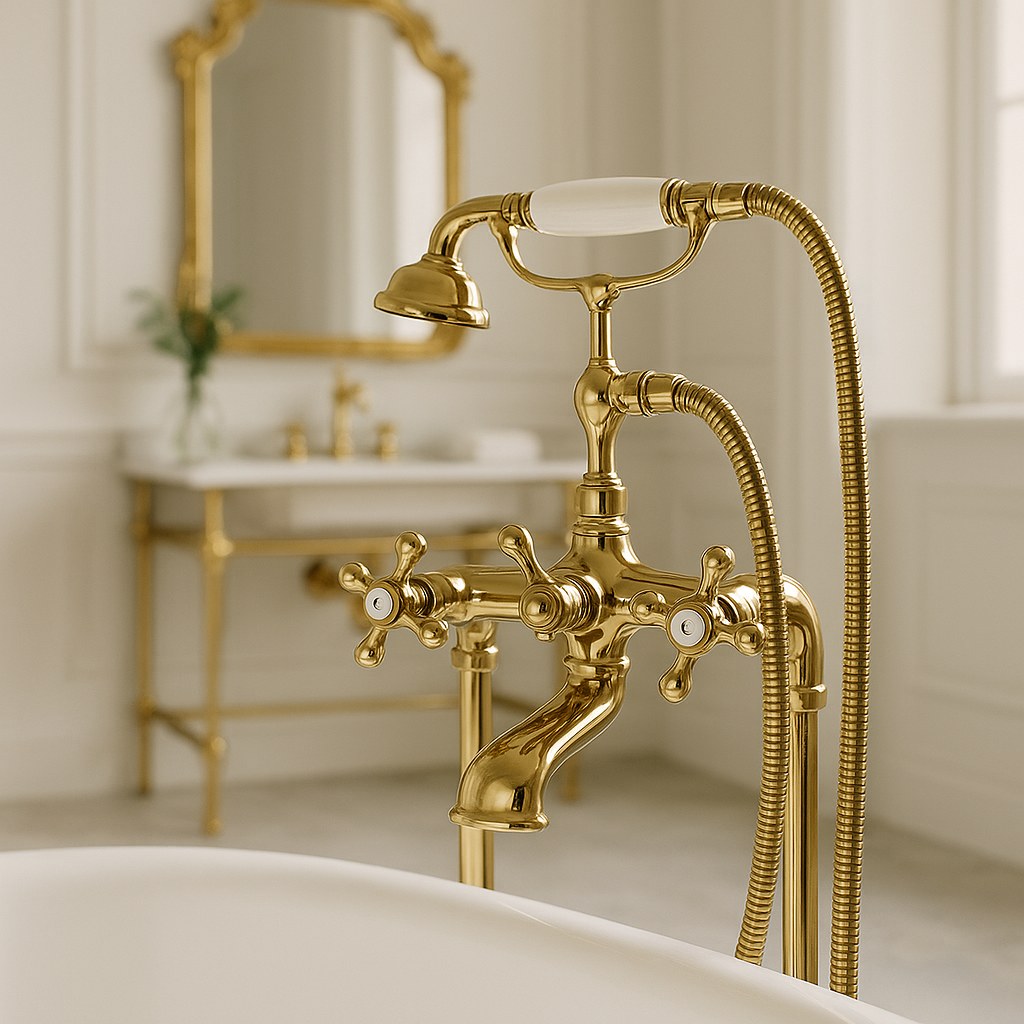
The room around the bath
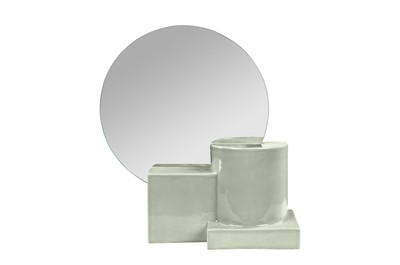
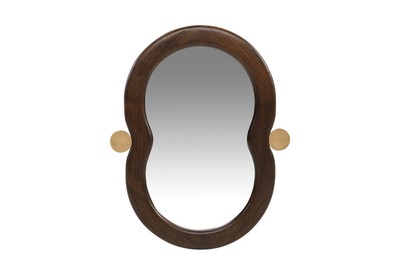
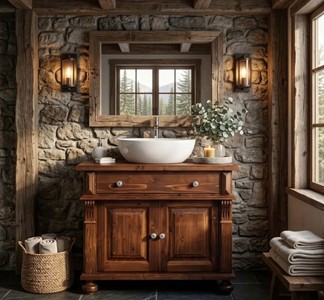
Once the tub stands free, the bathroom is furnished rather than fitted. A large wall mirror is the most effective single addition, because it doubles the daylight; the most elaborate gilded frames sit under luxury mirrors. A chandelier above the bath changes the room completely, and the rules there are electrical rather than decorative: keep any luminaire outside the protection zone around the tub unless it is rated for it, and have it installed by an electrician. Suitable pieces are in lamps and lighting and under chandeliers.
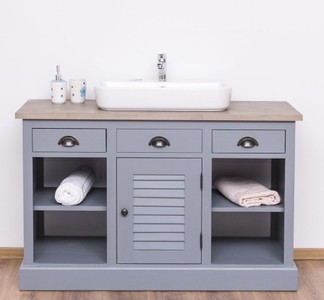
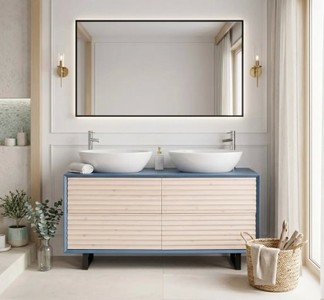
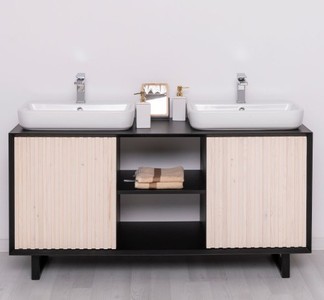
For the surfaces that towels and bottles need, a commode or a narrow console table does more for a large bathroom than fitted units, and a tall cabinet takes linen without eating floor area. A single upholstered armchair beside the tub turns a bathroom into a room. In damp air, choose solid timber and stone over veneers.
The collection at Casa Padrino
Around ninety-six pieces in the English catalogue belong to this theme, and these three show the range.
- Casa Padrino luxury Art Nouveau copper bathtub 170 cm, freestanding retro bathtub, rustic copper bathroom furniture
- Casa Padrino Art Nouveau Bathtub White / Silver 170 cm, freestanding cast iron bathtub
- Casa Padrino Freestanding Luxury Bathtub High Gloss White 205 cm, Made in Italy
The complete selection, together with washstands and the other bathroom pieces, is in freestanding bathtubs and bathroom furniture. Baths of this kind are specified constantly for suites and spa floors, which is why they run through our hotel furniture and decoration range and through the interiors on our pages for luxury hotel furniture and luxury villa furniture. Where a project needs a size, a patina or a foot finish the catalogue does not hold, the workshops that supply us build to specification.
Delivery and care
Casa Padrino ships worldwide. Baths travel crated by freight forwarder with a delivery appointment, and smaller items such as taps, feet and accessories go by parcel service. Delivery is made kerbside to the address given. Carrying the bath into the building, up stairs, into a lift or into the bathroom is not part of the standard service, so please arrange help on site beforehand and measure the route before ordering. Installation is a job for a qualified plumber. We do not operate a showroom, so advice is given by telephone and email.
In daily use, enamel and mineral cast want nothing more than warm water, a soft cloth and a mild cleaner. Avoid abrasive powders, steel wool and anything strongly acidic or chlorinated, which dull a glossy surface permanently. Unlacquered copper should be rinsed and dried after use if an even patina is wanted, and left alone if a lively one is.
Why Casa Padrino
Casa Padrino has become one of the internationally known names for baroque, Art Nouveau, Art Deco and contemporary luxury furniture, with customers in more than fifty countries and a catalogue running into thousands of pieces. In May 2025 our designer Marvin Schertl received the International Design Award for Excellence in Luxury Furniture, presented at a gala dinner in Cannes.
For freestanding baths, three things follow. Genuine choice of material, because cast iron, copper and mineral cast are all held. Honest advice about weight and installation, given before the order. And the ability to supply the room around the tub from one house. The complete collection is at casa-padrino.de.
Frequently asked questions about clawfoot bathtubs
How much does a filled cast iron clawfoot tub weigh?
Reckon on 100 to 150 kg for the empty bath, 180 to 250 kg of water and 70 to 90 kg per bather. The total commonly passes 500 kg, carried by four small feet.
Will my floor take a cast iron bath?
On a concrete slab, almost certainly. On a timber joist floor in an older building, have it checked by a structural engineer first. Setting the tub across the joists and near a supporting wall usually solves it.
What is the lighter alternative to cast iron?
Copper, at roughly 40 to 80 kg empty, or mineral cast. Both cut the structural load substantially.
Does a copper bath stay the colour it arrives in?
Only if it is lacquered. Unlacquered copper darkens over months into a deep brown patina and keeps developing.
How much space do I need around a freestanding bath?
At least 15 to 20 cm to any wall so the outside can be cleaned, and 90 to 100 cm of clear floor on the side used for getting in and out.
Which tap suits a clawfoot bathtub?
A freestanding floor mounted tap where pipework can be laid before the screed, a rim mounted tap where the bath has tap holes, or a wall mounted tap with a spout long enough to reach over the rim.
Where does the waste go on a freestanding tub?
Down through the floor. The trap has to fit within the floor build up, and in a timber floor the pipe runs between joists rather than through one.
Does a cast iron bath really keep water warmer?
Yes. The mass of the iron takes up heat and gives it back, so the water cools far more slowly than in a thin moulded shell. Mineral cast sits between iron and acrylic.
How do I clean enamel and copper?
Warm water, a soft cloth and a mild cleaner. No abrasive powders, no steel wool, nothing strongly acidic or chlorinated. Dry copper after use for an even patina.
Do you deliver worldwide, and how?
Yes. Baths go crated by freight forwarder with a delivery appointment, small parts by parcel service. Delivery is kerbside to the address given, so please arrange help for carrying the bath into the building.
Selected pieces from our collection
You may also be interested in
Back to the overview: Luxury Furniture for Hotels, Villas & Projects Worldwide